
4 Day Wind River Country Itinerary Outline
- Day 1: Dubois (Old West history + museums)
- Day 2: Wind River Indian Reservation (Indigenous culture)
- Day 3: Lander (outdoor adventure + downtown)
- Day 4: South Pass City & Riverton (historic sites + scenic drives)
Day 1: Dubois – Old West History & Museums
Morning: Breakfast and Museums in Dubois
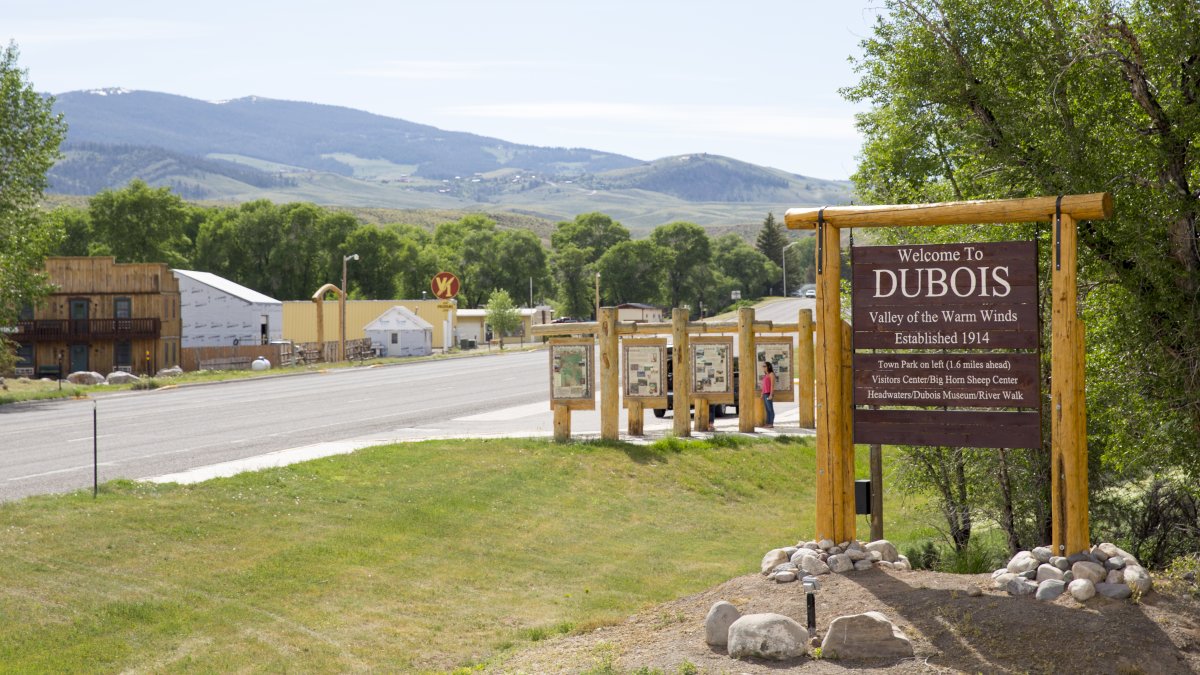
Start your adventure in the northwest corner of Wind River Country in Dubois, a town of fewer than 1,000 residents that punches far above its weight in authentic Western character.
Begin at Cowboy Cafe for what locals call "the heartiest breakfast around"—think skillets piled with eggs, potatoes, peppers and your choice of sausage or bacon, plus omelets and benedicts that fuel a full day of exploration. The coffee is strong, the portions generous and the atmosphere purely Wyoming.
After breakfast, walk to a staple Dubois, Wyoming attraction, the Dubois Museum, which explores the geological and historical significance of Upper Wind River Valley. The museum houses exhibits on the area's tie-hack logging industry (look for the interpretive displays on lumberjacks who hand-cut railroad ties and floated them down rivers), Indigenous presence in the valley and the stunning badlands geology that makes Dubois' setting so dramatic.
Just steps away, the National Bighorn Sheep Center offers interactive exhibits and full-scale dioramas explaining bighorn sheep biology, behavior and conservation. Dubois sits in the heart of the largest wintering bighorn sheep population in the Lower 48, and winter visitors (November-March) can often spot hundreds of sheep on nearby Whiskey Mountain.
Combined time for both museums: 2 hours
Afternoon: National Museum of Military Vehicles
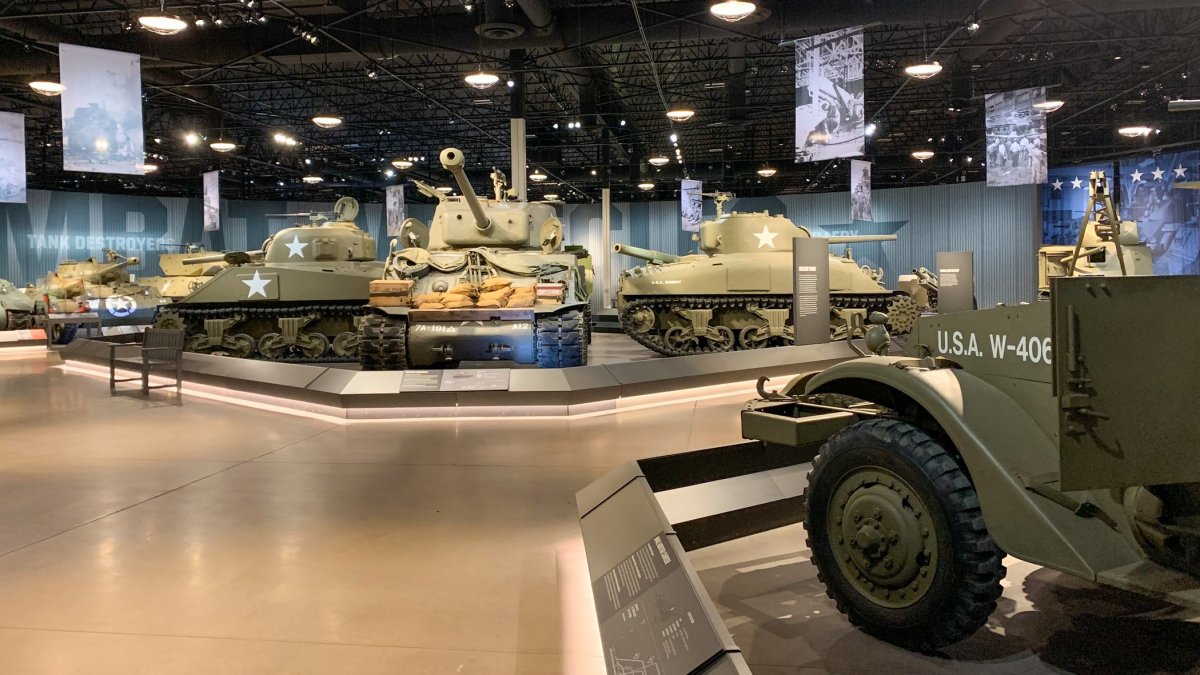
After a morning of regional history, prepare for an unexpected world-class museum experience. The National Museum of Military Vehicles, located just outside Dubois, houses one of the most significant military vehicle and artifact collections in North America.
Spread across multiple immersive galleries, the museum tells the American military story from WWI through modern conflicts using more than 400 restored vehicles, historically significant firearms (including the first sniper rifle used in combat and a musket from the Battle of Bunker Hill), uniforms, documents and multimedia experiences.
The General Lewis "Chesty" Puller Gallery opened in 2021 and explores the Korean War and Vietnam War with extraordinary depth. Visitors consistently describe the museum as "world-class" and "unlike anything expected in rural Wyoming."
Plan for at least 2-3 hours, though history enthusiasts often spend half a day. Your ticket is valid for two consecutive days if you want to return. The on-site Canteen serves lunch—burgers, sandwiches and salads—in a casual cafeteria setting.
Evening: Art, Dining and Western Traditions
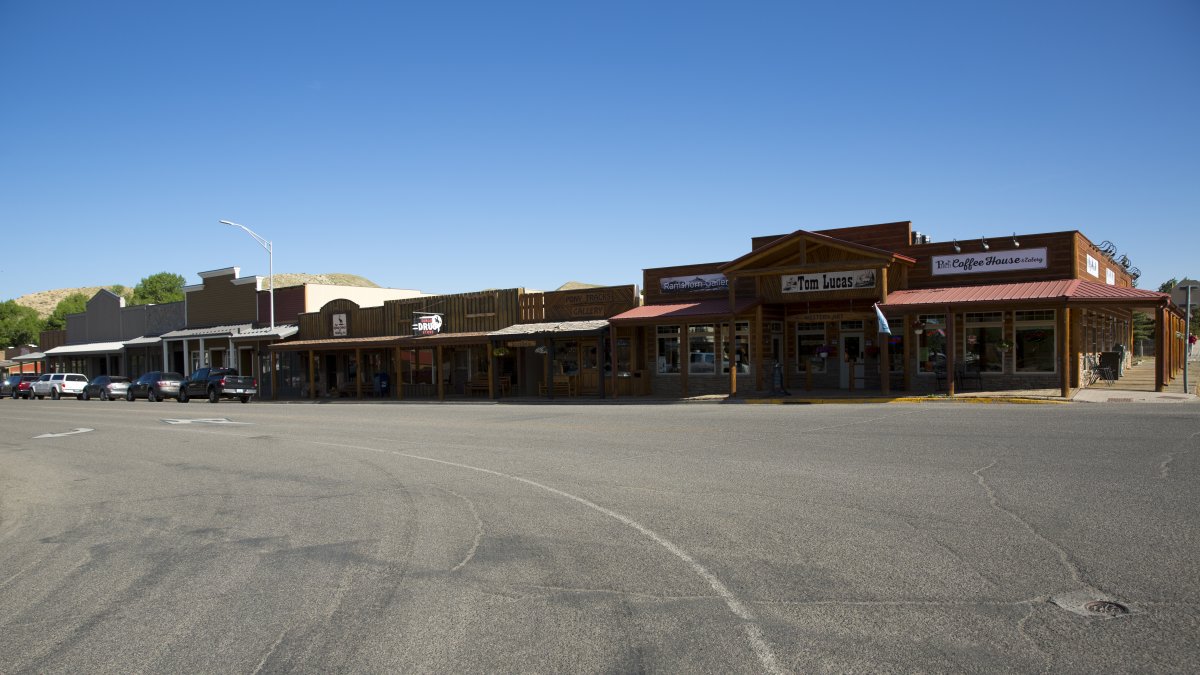
Return to downtown Dubois to stroll Ramshorn Street Art Galleries and Stores. The town has a thriving arts community, with galleries featuring Western landscapes, wildlife art, bronze sculptures and contemporary pieces by regional artists. Many galleries occupy historic buildings that once served as general stores, saloons and frontier businesses.
Dubois Town Park offers a scenic overlook and Riverwalk; perfect for a 30-minute stroll before dinner to stretch your legs and watch the evening light paint the Painted Hills in shades of red, pink and gold.
For dinner, The Lone Buffalo Steakhouse serves hand-cut steaks, fresh seafood flown in regularly, homemade pasta and Wyoming-sized burgers. The upscale-casual atmosphere balances quality cuisine with Western hospitality.
If you're visiting during the summer months, don't miss Rustic Pine Tavern's square dancing, a Dubois tradition since 1948. Even if you've never square danced, the welcoming crowd and caller will have you do-si-do-ing in no time. It's authentically local, genuinely fun and a reminder that in Dubois, Western traditions aren't preserved for tourists.
Overnight: The Longhorn Ranch Resort Lodge & RV Park offers stunning views of both the Painted Hills badlands to the north and Whiskey Mountain to the south. The property captures the Western ranch atmosphere while providing comfortable amenities.
Day 2: Wind River Indian Reservation – Honoring Indigenous Heritage
Morning: Wind River Wild Horse Sanctuary
After grabbing espresso drinks and baked goods at The Perch Coffee House in Dubois, head southeast toward the Wind River Indian Reservation for a day focused on Indigenous culture and history.
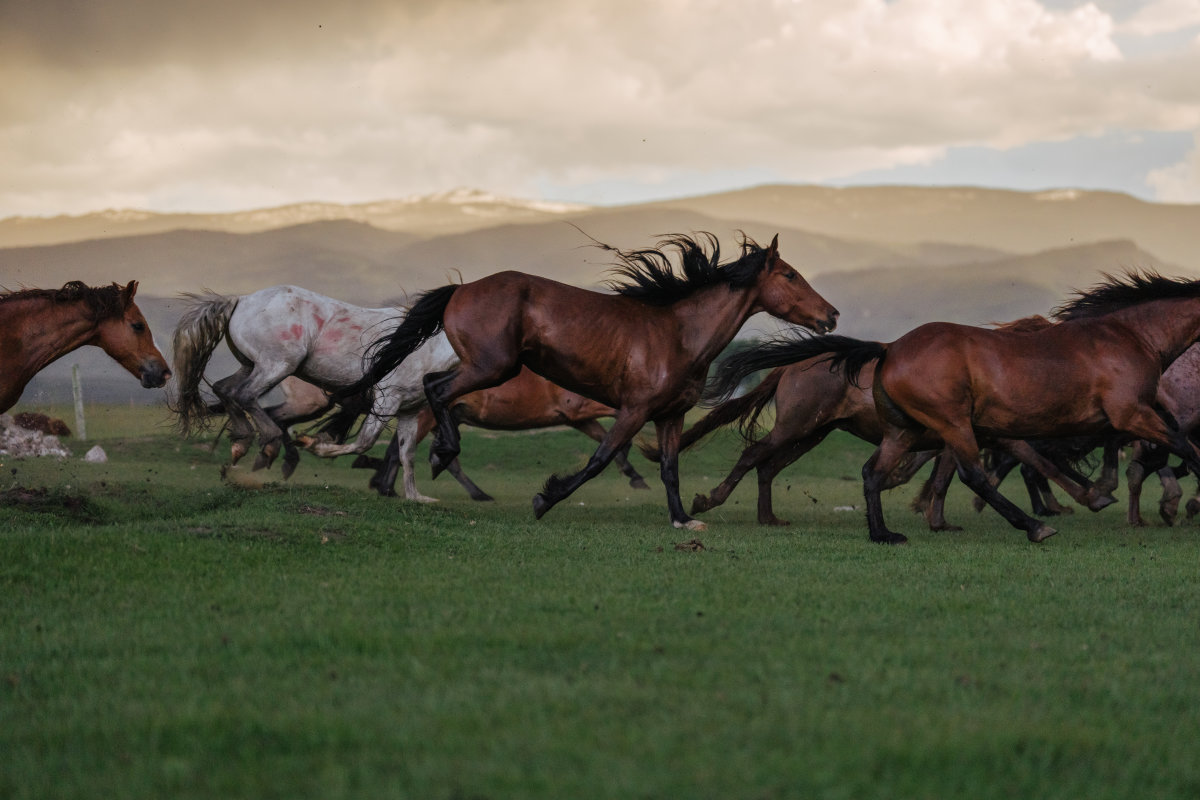
Your first stop is the Wind River Wild Horse Sanctuary, home to more than 250 wild mustangs living on a vast open range. The sanctuary offers guided tours where you'll learn about wild horse conservation, the historical relationship between Indigenous peoples and horses and the landscape of the reservation itself.
The sanctuary's interpretive visitor center features curated panels about Native American horsemanship traditions and contemporary wild horse management. Tours typically last about an hour and provide opportunities to observe horses in their natural habitat—a powerful experience that connects the past and present of the American West.
Continue to Fort Washakie, the hub of the Wind River Reservation and headquarters of the Eastern Shoshone tribe (the Northern Arapaho headquarters is in Ethete).
Afternoon: Eastern Shoshone and Northern Arapaho Cultural Centers
Pick up picnic supplies at Hines General Store in Fort Washakie; the deli makes sandwiches to order, and walk your lunch across the street to The Path of Honor – Wind River Reservation Veterans Memorial. This moving tribute honors military service members from the reservation, which has one of the highest per-capita military service rates in the nation. The memorial's design incorporates Indigenous symbolism and provides a peaceful setting to reflect.
Your afternoon centers on two essential cultural institutions:
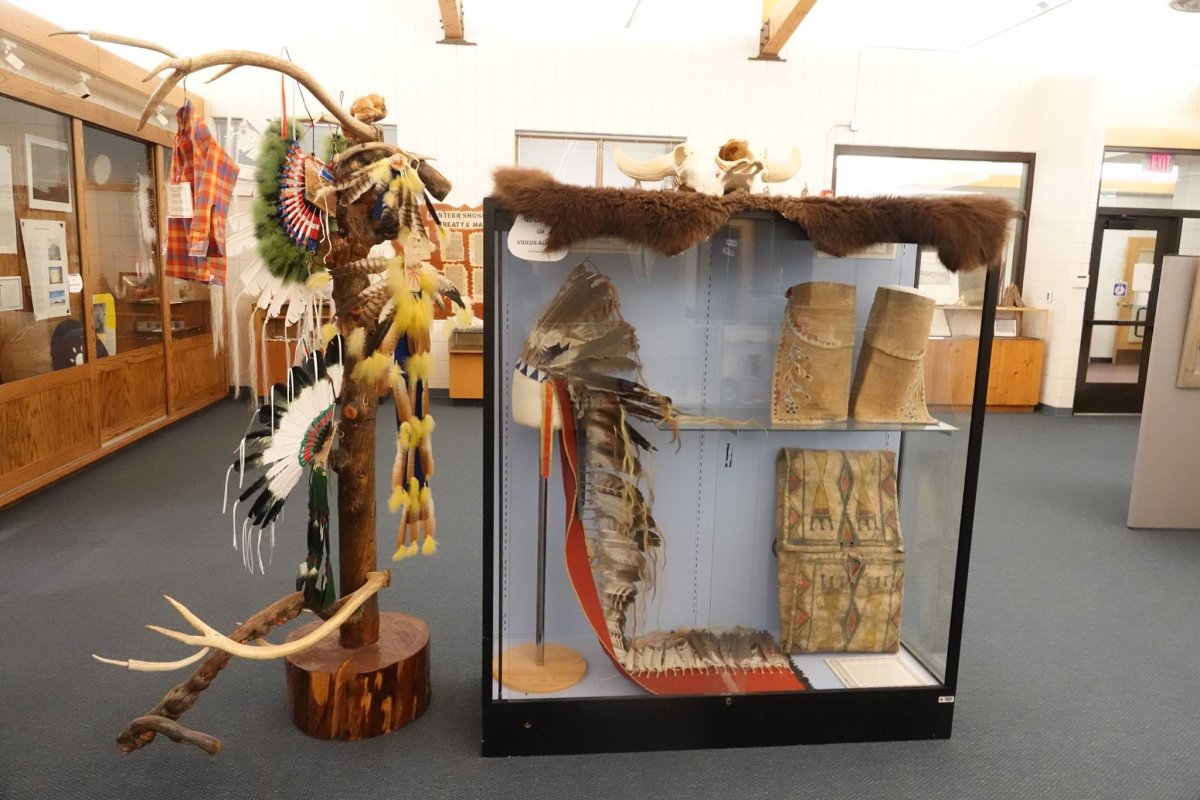
The Eastern Shoshone Tribal Cultural Center houses artifacts, artwork, photography, maps and treaties that tell the Shoshone story from time immemorial through contemporary life. Indigenous educators often staff the center, providing context and answering questions about Shoshone history, Chief Washakie's leadership and modern tribal life. Allow at least an hour to absorb the exhibits fully.
Saint Stephen's Indian Mission Catholic Church, a short drive toward the Arapaho community of St. Stephens, is architecturally stunning; the interior features vibrant Native American designs and symbols blending Catholic and Indigenous spiritual imagery. Be respectful of service times (check schedules before visiting).
The Northern Arapaho Experience Culture Room, located inside the Wind River Hotel and Casino, offers the Northern Arapaho perspective. The center provides exhibits on Arapaho history, language preservation efforts, traditional arts and contemporary tribal initiatives. Staff offers tours, language lessons and storytelling sessions by advance arrangement.
Between these stops, consider experiencing the Wind River Indian Reservation Self-Guided Audio Tour through TravelStorys. This driving tour guides you to significant sites, including Sacagawea's gravesite at the Shoshone cemetery, while sharing stories told by Eastern Shoshone and Northern Arapaho voices. The tour takes approximately 2 hours and adds invaluable context to the reservation's landscape and history.
Evening: Native-Owned Accommodations
For dinner, Red Willow Restaurant in the Wind River Hotel and Casino serves steaks, chicken, seafood and Native American-inspired dishes in a comfortable dining room.
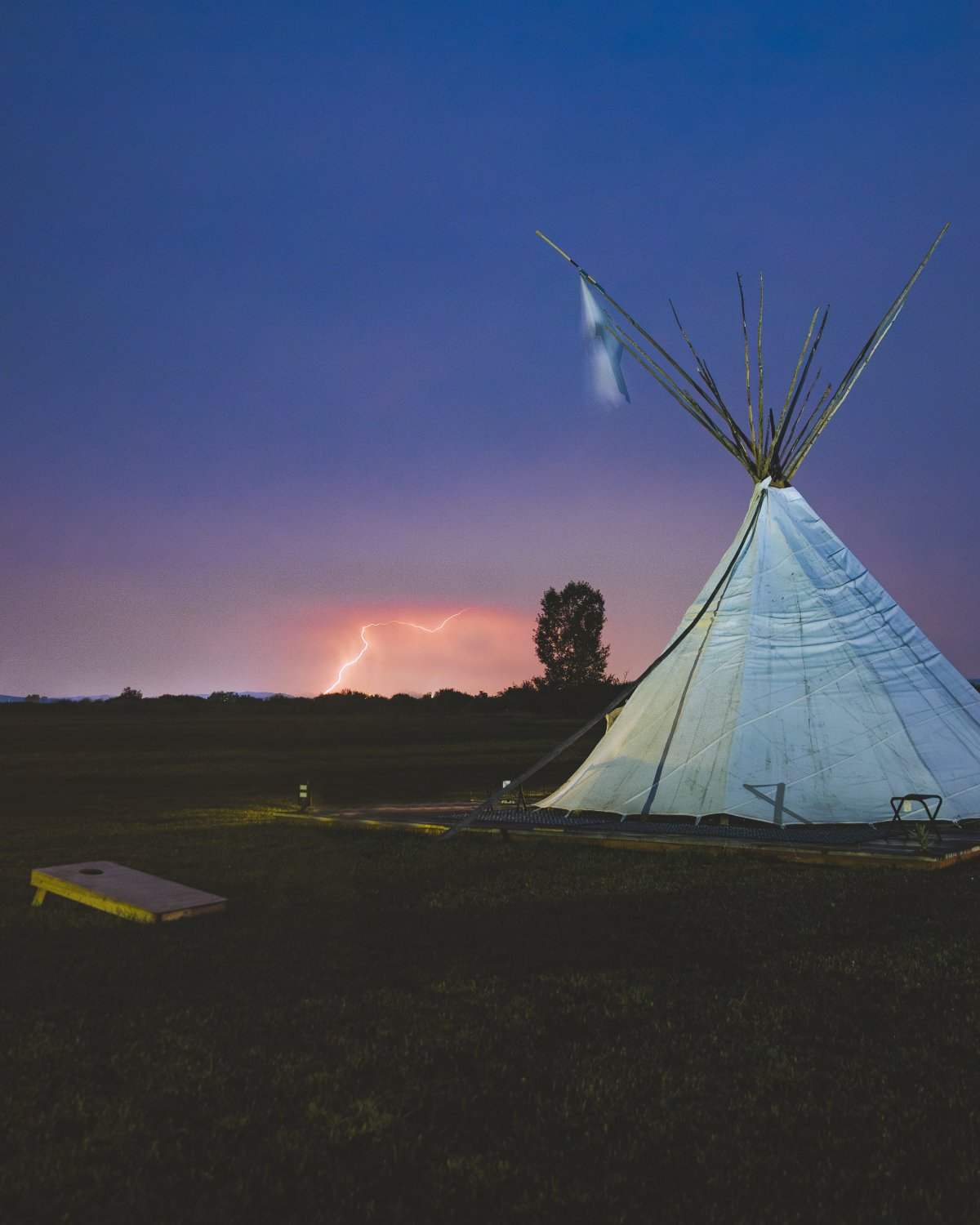
Overnight: For a unique cultural immersion, stay at Wind River Basin Campground. In these Native American-owned glamping accommodations, you'll sleep in an authentic tipi complete with cozy beds and comfortable linens. Wake to views of the Wind River Mountain Range and experience a small piece of traditional Plains Indian lifestyle adapted for modern comfort.
Visitor Note: When visiting Wind River Reservation, remember you're a guest on sovereign tribal land. Follow all posted guidelines, ask permission before photographing people, support Native-owned businesses and approach with respect and cultural humility. The tribes welcome visitors interested in learning and genuinely engaging with Indigenous heritage.
Day 3: Lander – Where History Meets Adventure
Morning: Pioneer Museum and Main Street Lander
Drive west to Lander, at the base of the Wind River Mountain Range (about 45 minutes from the Wind River Reservation area), a town that beautifully balances Western history, outdoor recreation and small-town hospitality. Lander was named after Frederick W. Lander, the engineer who designed the Lander Trail, a wagon road that guided thousands westward during the mid-1800s.
Start with breakfast at Deka-Guy Hee Restaurant in Shoshone Rose Casino & Hotel. Filling plates of eggs, pancakes and all the breakfast standards to fuel your day of things to do in Lander.
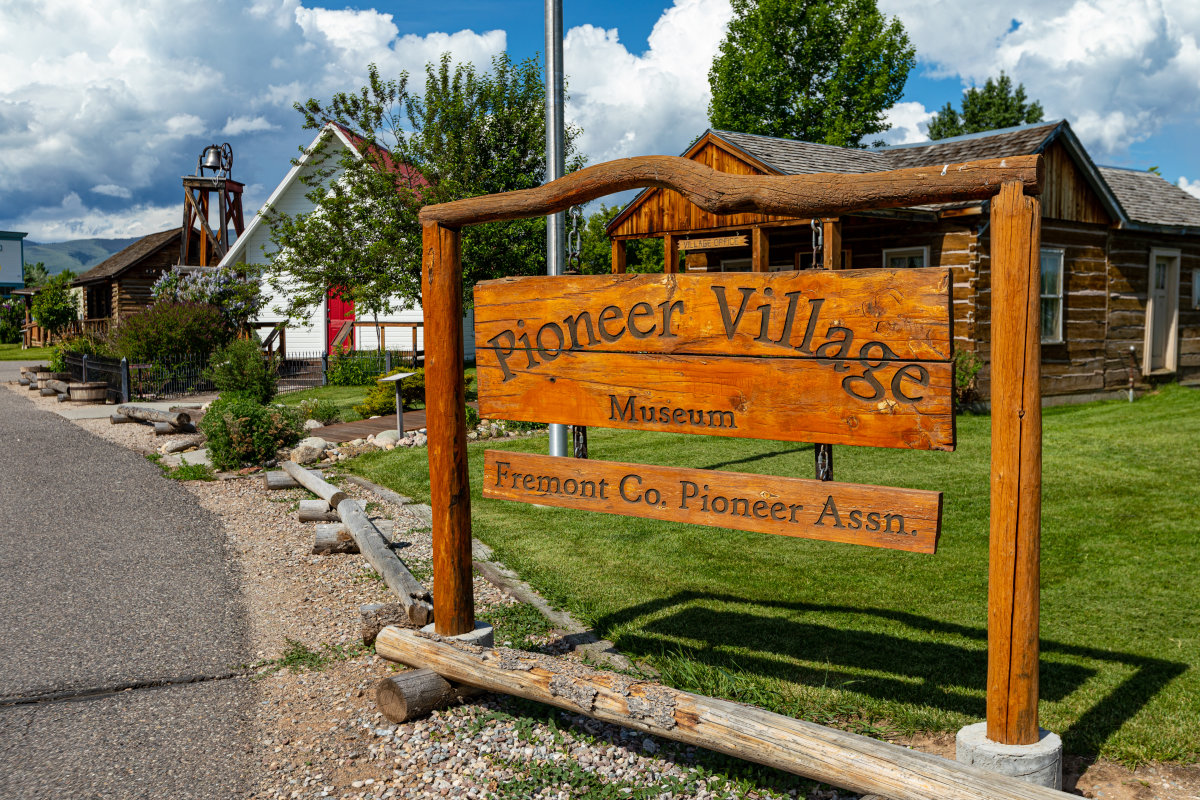
The Fremont County Pioneer Museum is Lander's historical centerpiece. The museum preserves and interprets artifacts from prehistory through the 1920s, with particularly strong collections on pioneer life, early ranching and the diverse peoples who settled the area.
The attached Pioneer Village features 10 historic buildings moved to the museum grounds, depicting frontier living from 1880 to 1930. You can walk through a one-room schoolhouse, blacksmith shop, homesteader cabin and general store; each furnished with period-appropriate items.
Allow 2 hours for the museum and village
After the museum, explore Lander's Main Street. The downtown features locally owned shops, outdoor-gear outfitters (Lander is renowned as a climbing destination), galleries and impressive murals painted on historic building facades. The murals depict local history, wildlife and Western themes; walking from mural to mural creates an informal outdoor gallery experience.
Gannett Grill is the perfect lunch stop, serving salads, burgers, sandwiches and wood-fired pizzas in a casual atmosphere. The restaurant partners with Lander Brewing Company, so return in the evening to sample award-winning craft beers if you're inclined.
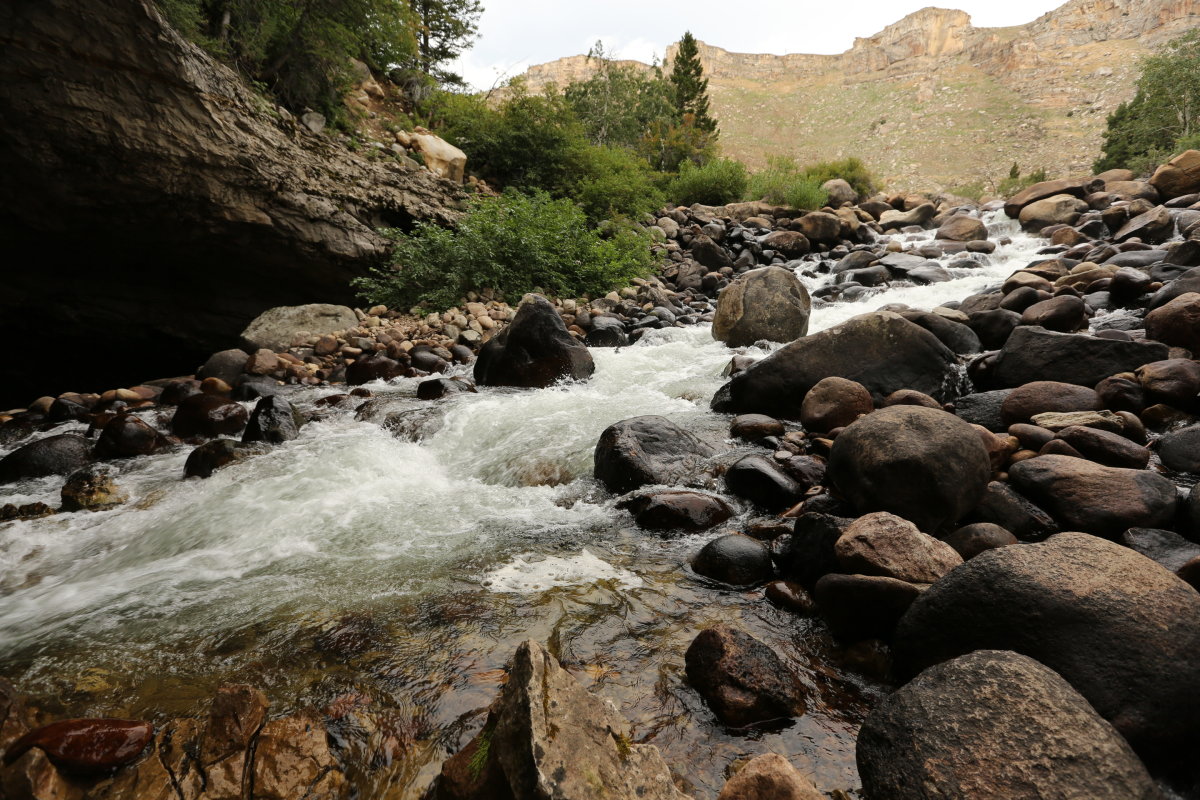
Afternoon: Sinks Canyon State Park Natural Wonder
Just nine miles south of Lander, Sinks Canyon State Park showcases one of Wyoming's most unusual geological phenomena. The Middle Fork of the Popo Agie River flows through the canyon until suddenly vanishing underground into a limestone cavern called The Sinks.
A quarter-mile downstream, the river mysteriously reappears at The Rise, bubbling up into a calm, crystal-clear pool. Even more intriguingly, dye tests have shown the water takes over two hours to travel that quarter-mile underground and more water emerges at The Rise than disappears at The Sinks, suggesting additional underground sources.
At The Rise, you can feed enormous brown and rainbow trout (fish food available for purchase) that swim lazily in the cold, clear water; an experience kids particularly love.
The Sinks Canyon State Park Visitor Center provides interpretive exhibits on the canyon's geology, wildlife (including the canyon's bighorn sheep, moose and black bears) and natural history. Rangers can recommend trails based on your fitness level and time available.
For hikers, the Falls Trail (trailhead near the park entrance) is an easy-to-moderate 3-mile round-trip hike along cascading waterfalls, with the highest drop about 60 feet. The trail follows a creek through pine forests and offers beautiful mountain views.
Allow 2 hours total for Sinks Canyon exploration
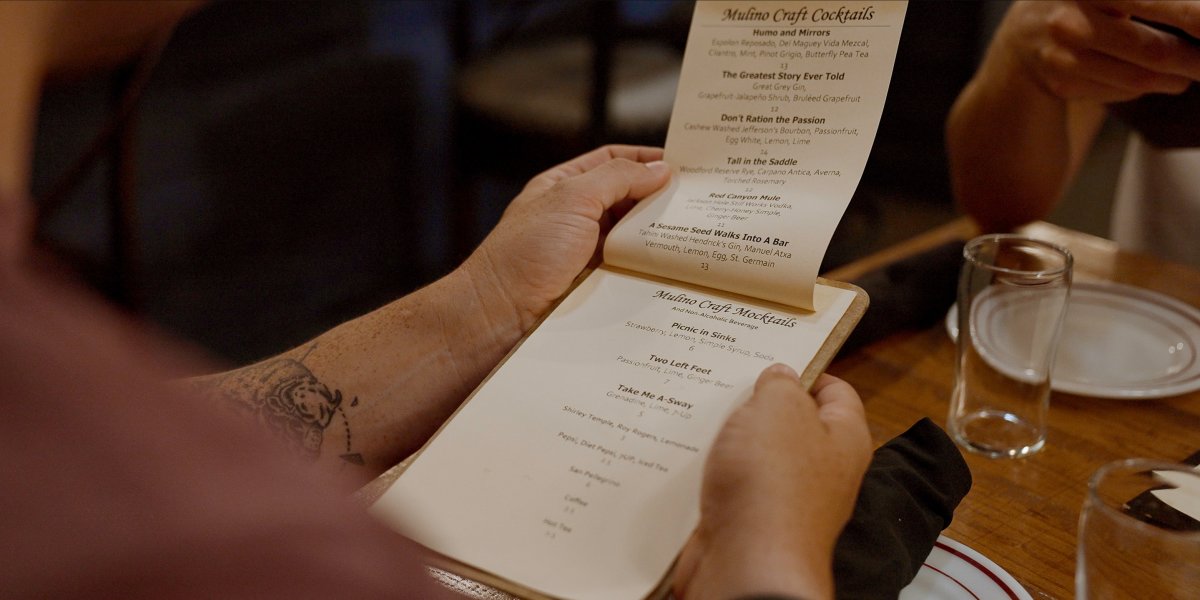
Evening: Lander's Culinary Scene
Return to Lander for dinner at Mulino Italian Bistro, which brings unexpected culinary sophistication to this mountain town. The menu features house-made pastas, Italian specialties, fresh salads and uniquely crafted cocktails in a relaxed yet refined atmosphere; perfect after a day of cultural and outdoor exploration.
Overnight: The Lander Motel on Main Street offers retro-modern accommodations. Built in 1941, the property was completely reimagined and renovated in 2023, now offering stylish rooms that honor mid-century motel aesthetics while providing contemporary comfort. The location puts you steps from downtown restaurants and shops.
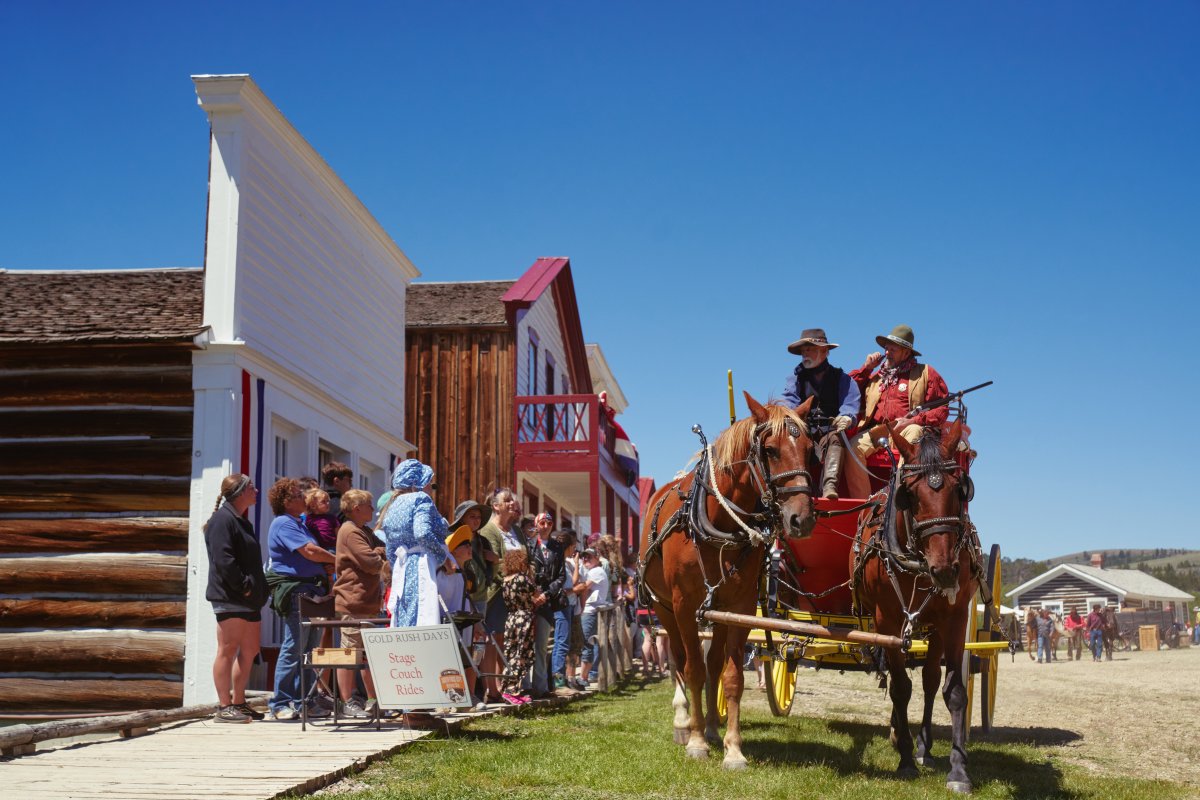
Day 4: South Pass City and Riverton – Gold Rush to Rendezvous City
Morning: South Pass City State Historic Site
After breakfast at The Middle Fork in Lander (scratch-made menu using local ingredients), drive approximately 45 minutes south to South Pass City State Historic Site, one of Wyoming's best-preserved ghost towns.
During the 1860s gold rush, South Pass City swelled to nearly 2,000 residents, with miners flooding in to seek their fortunes. The town also gained fame as the site where Esther Hobart Morris became the first female justice of the peace in the United States in 1870, and where Wyoming women first voted under Wyoming Territorial suffrage law.
Today, 24 historic structures remain standing, many with more than 30 period room exhibits that transport visitors to the 1860s-1880s. You can explore the schoolhouse, saloons, general store, stamp mill and residences, each meticulously furnished with authentic or period-appropriate items.
The visitor center provides historical context about the gold rush, Oregon Trail (which crossed nearby at South Pass, the lowest point on the Continental Divide) and the challenges of frontier life at an elevation of 7,800 feet.
Unlike overly commercialized ghost towns, South Pass City feels genuinely frozen in time; you'll hear the wind whistle through old structures, see the vast high desert stretching endlessly and get an authentic sense of isolation early miners must have felt.
Allow 2-3 hours for South Pass City
For lunch, head over to nearby Atlantic City (an even smaller mining town that never quite died) and eat at The Atlantic City Mercantile, a wonderfully quirky restaurant and bar originally opened in 1893. The building retains its frontier character while serving burgers, sandwiches and cold drinks in a fun, historic atmosphere.
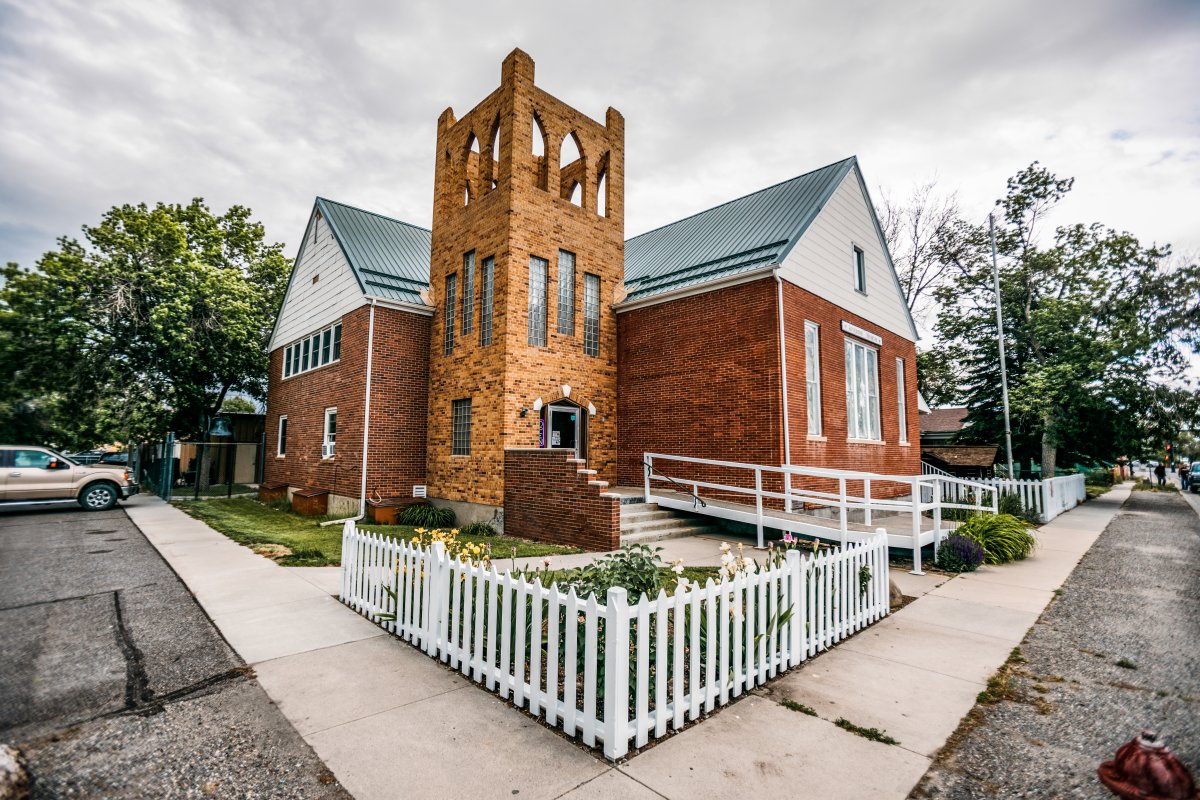
Afternoon: Riverton's Mountain Man Heritage
Drive north to Riverton (about 45 minutes), known as "The Rendezvous City" for its role in fur trade history. Established in 1906, Riverton sits at the confluence of Big and Little Wind Rivers in a natural basin that served as a gathering point for Indigenous peoples and, notably, the 1830 and 1838 mountain man rendezvous.
Begin at Riverton Museum, which offers educational exhibits covering the area's ranching history, 1838 rendezvous, Native American presence and early settlement. The museum also provides a walking tour map of nearby historic buildings if you want to extend your exploration.
The 1838 Mountain Man Rendezvous Site stretches 100 acres along Wind River. Walking paths with stone markers and interpretive signs share tales of legendary mountain men like Jim Bridger, Kit Carson and Thomas Fitzpatrick, who gathered here to trade beaver pelts, resupply and socialize. The site includes picnic areas and offers beautiful river views; a peaceful place to reflect on the colorful characters who shaped Western history.
Explore Riverton's Main Street and the Art Banner Project, a self-guided tour of fabric art banners created by local artists and displayed throughout downtown. The banners depict regional themes, wildlife and cultural imagery, adding visual interest to a stroll through Riverton's historic core.
If energy remains, walk or bike a section of Wyoming Heritage Trail (Rails to Trails), which follows the old railroad right-of-way from Riverton toward Shoshoni. The trail is accessible at multiple points throughout town and offers flat, easy walking with views of the surrounding basin and mountains.
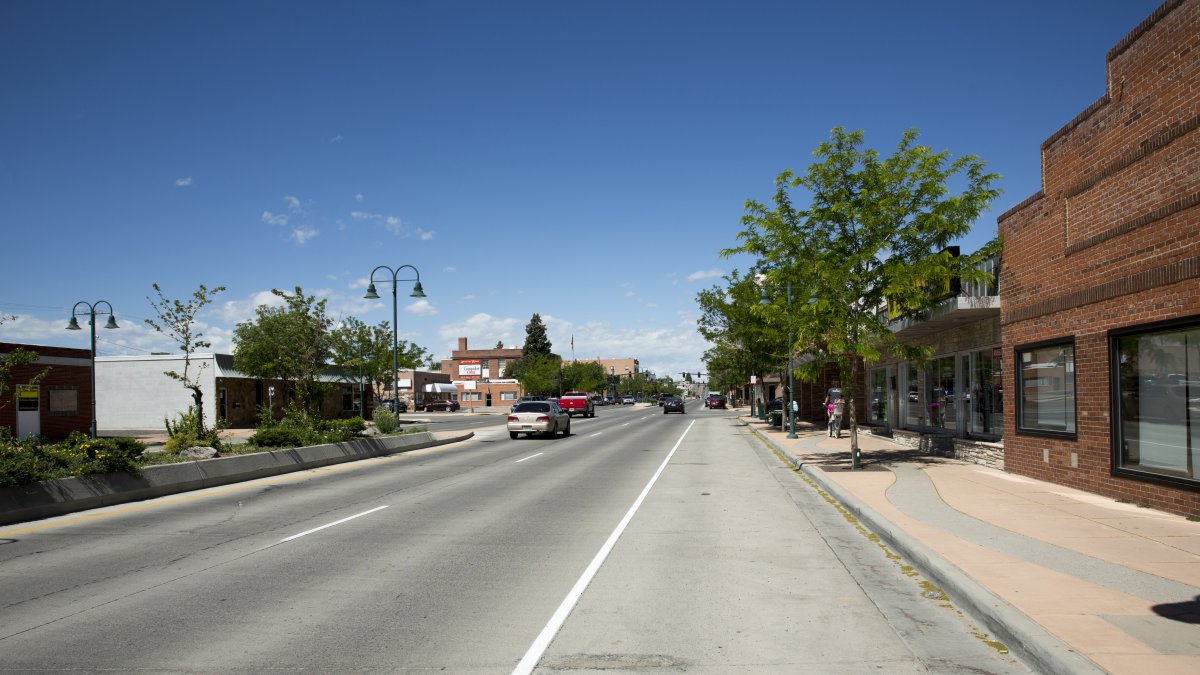
Evening: Rails to Trails and Downtown Riverton
For dinner, Perrett's serves Italian comfort food—pizzas, calzones, pasta and subs—in a welcoming environment with fresh ingredients and generous portions.
Overnight: The newly renovated Hampton Inn & Suites in Riverton provides comfortable, modern accommodations to end your 4-day Wind River County journey.