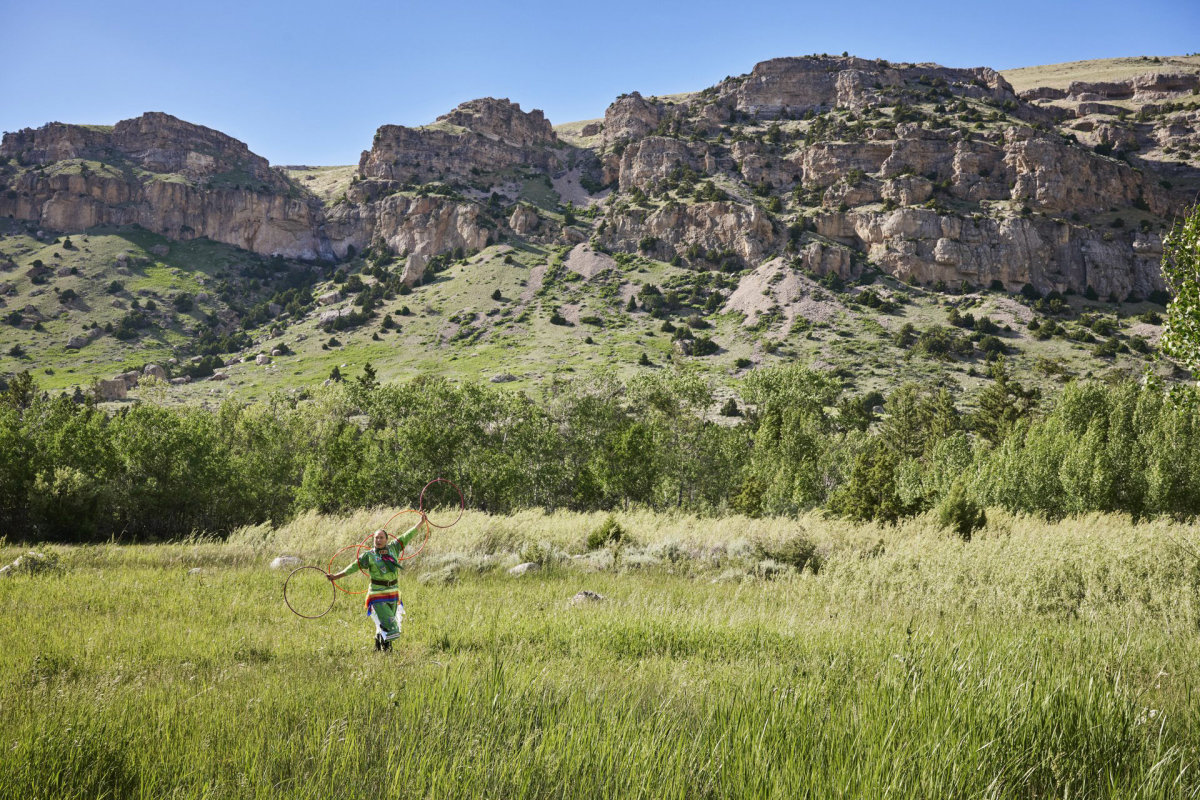

Wyoming is more than cinematic scenery and epic outdoor adventure: it’s a living cultural landscape that has been indelibly shaped by the Native Americans who have called this land home for millennia. From powwows and traditional hoop dancing to storied landmarks and inspiring art, Native American culture represents a vital thread in the tapestry of the West—and there are so many ways you can celebrate and engage with this proud and vibrant heritage. Read on to discover the Cowboy State’s most iconic Indigenous experiences and learn more about the Native American tribes in Wyoming.
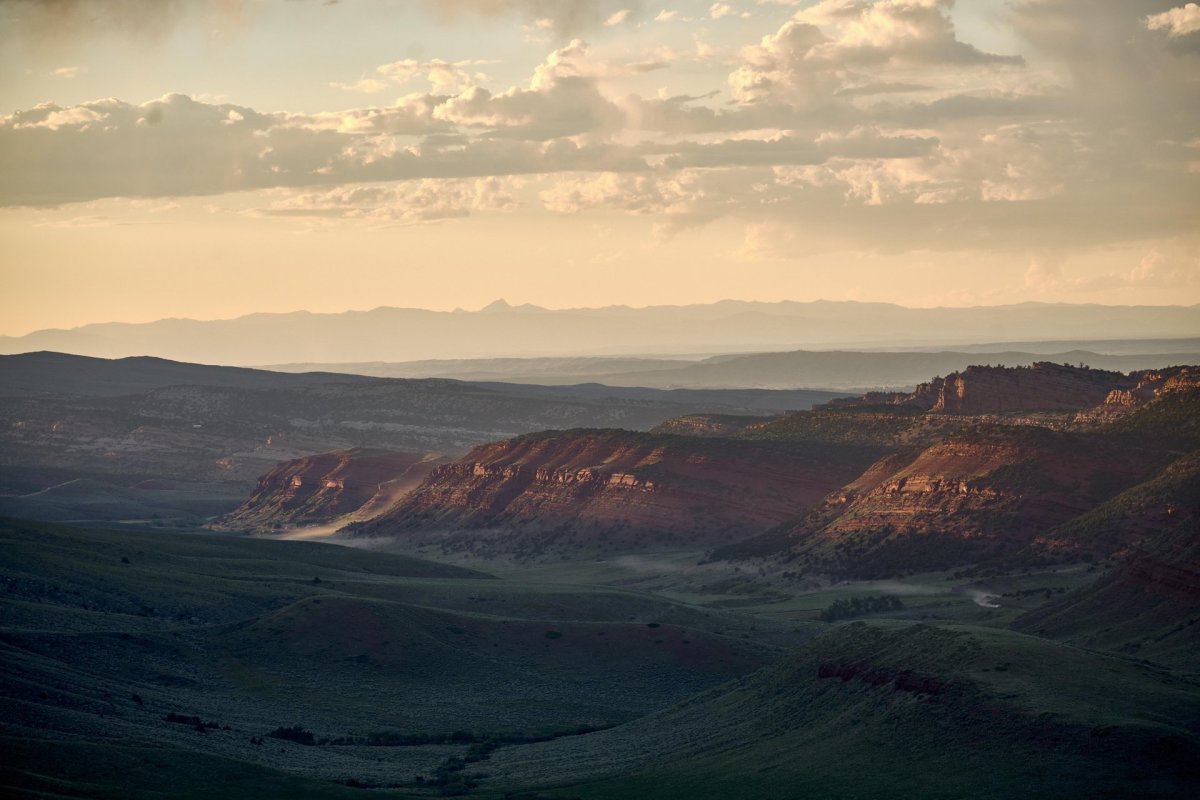
The Traditional Territories of Wyoming
The history of Native American tribes in Wyoming dates back more than 12,000 years, predating famous ancient sites like Stonehenge or the pyramids of Egypt by a wide margin. Long before the cowboys, mavericks and mountain men sought their fortunes on this vast American frontier, Wyoming was the traditional territory of the Plains Indians Peoples.
Historically, Wyoming Indigenous tribes included the Arapaho, Arikara, Bannock, Blackfeet, Cheyenne, Crow, Gros Ventre, Kiowa, Nez Perce, Sheep Eater, Sioux, Shoshone and Ute. Together, these groups represented a highly sophisticated, interconnected civilization characterized by complex networks of trade and commerce, longstanding alliances, political rivalries and a rich linguistic and cultural heritage that has endured in the face of profound adversity.
Today, Wyoming’s Wind River Country is home to the seventh-largest Indian reservation in the United States: the Wind River Indian Reservation. This 2.2-million-acre parcel of land is shared by two distinct Native American tribes: the Eastern Shoshone and Northern Arapaho.
-
Eastern Shoshone: More than 3,900 Eastern Shoshone reside on the Wind River Indian Reservation, an area they have called home since time immemorial. The tribe traditionally spoke the Shoshone language (part of the Uto-Aztecan language family), though today only a handful of native speakers remain. The Eastern Shoshone were early adopters of the horse, which allowed them to control a vast territory that once stretched from present-day Alberta across Montana and Wyoming. After the signing of the Fort Bridger Treaty in 1868, the Eastern Shoshone settled on the Shoshone Reservation in Wyoming. Notable members of the Eastern Shoshone include Sacajawea and Chief Washakie.
-
Northern Arapaho: Wind River Country is home to more than 8,600 enrolled members of the Northern Arapaho tribe, who trace their roots to the headwaters of the Arkansas and Platte Rivers on the plains of Colorado and Wyoming. The Northern Arapaho speak a variation of the Algonquin language and are known as the Nank'haanseine'nan, or "Sagebrush People". After the collapse of the Fort Laramie Treaty of 1851, the Northern Arapaho were left without a land base. Although culturally and linguistically distinct from the Eastern Shoshone people, they also came to reside on the Shoshone Reservation, which was subsequently renamed the Wind River Indian Reservation in recognition of its two resident tribes.
Celebrating Culture: Authentic Indigenous Experiences to Seek
From ancient Native American landmarks to modern powwows and hoop dances, Indigenous experiences make up a vital part of Wyoming’s rich cultural tapestry—not just during National Native American Heritage Month, but all year round. Read on for some of the best ways to experience the history, culture and cuisine of Indigenous Wyoming.
Native American Art
Take a deep dive into the Native American history of Wyoming, including stunningly preserved art and artifacts, at the Plains Indians Museum—one of five museums that make up the Smithsonian-affiliated Buffalo Bill Center of the West in Cody. Learn the stories, language and art of the Northern Arapaho people from Elders at the Northern Arapaho Experience Culture Room in Riverton. Explore an extensive collection of beaded wares at the Brinton Museum in Big Horn, located a short 20-minute drive from the town of Sheridan. And if you’d like to take some beadwork home as a souvenir, the Eastern Shoshone Tribal Cultural Center offers a great selection of contemporary pieces to choose from.
Historic Native American Landmarks
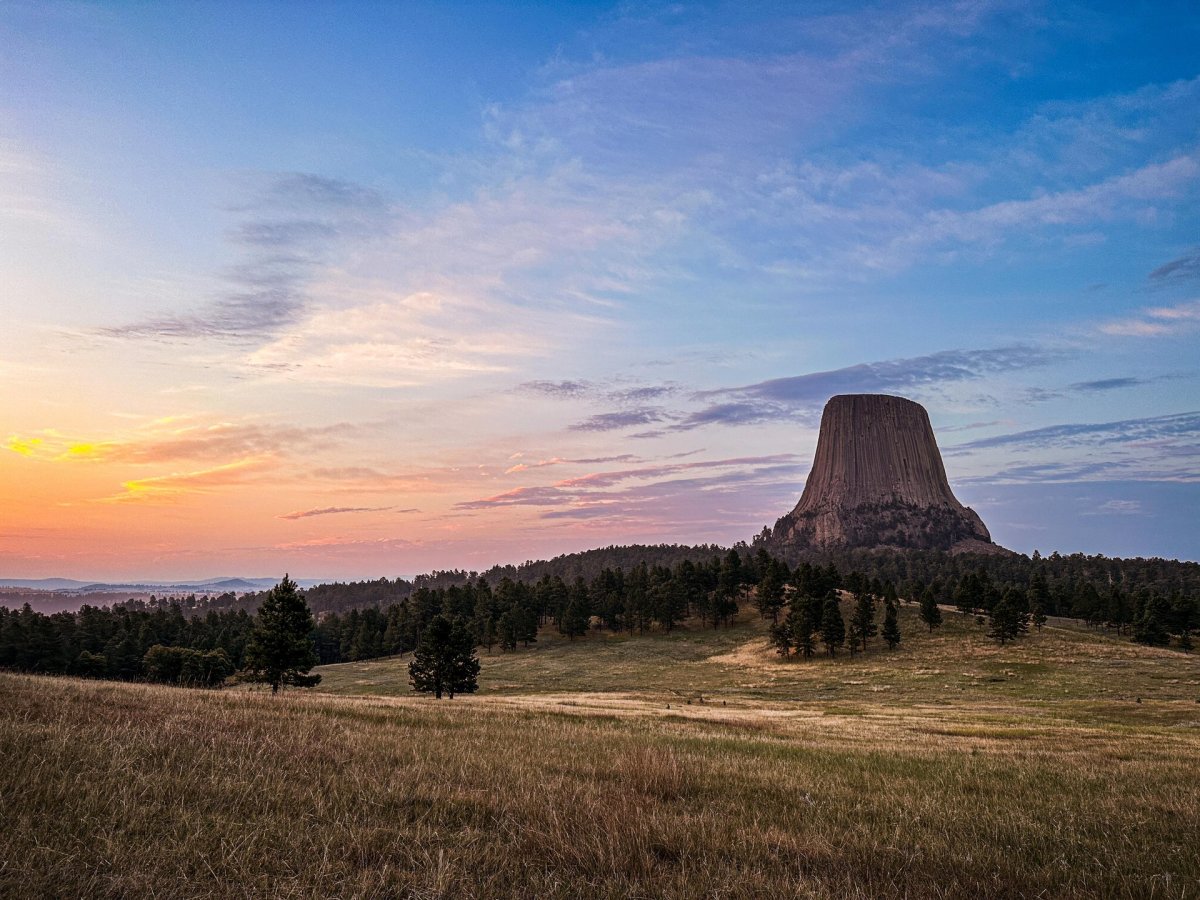
Wyoming is full of iconic landmarks where visitors can connect with more than twelve millennia of Native American history—places like Devils Tower National Monument, a 867-foot-tall laccolithic butte that features prominently in many Native American oral histories. Called Mato Tipila or "Bear Lodge" by the Arapaho, Cheyenne, Crow and Kiowa peoples, it is a place of solemn pilgrimage, especially in the month of June when Sun Dance Ceremonies and ceremonies marking the summer solstice are traditionally observed.
Wyoming is also home to one of the most significant and well-preserved Native American sacred sites in North America: Medicine Wheel National Historic Landmark. Also called the Bighorn Medicine Wheel, it’s a circular formation of limestone rocks nestled within Bighorn National Forest. According to Crow oral tradition, the site was built by ancient ancestors. Archaeological evidence suggests it has been used by Native American groups for nearly 7,000 years.
Authentic Native American Cuisine
There’s more to Wyoming’s food scene than just chuckwagon dinners and huckleberry-infused desserts. Enjoy a hearty meal made with traditional ingredients like bison at Morning Star Restaurant, tucked within the Little Wind Casino in the town of Ethete. Or head to Deka-Guy Hee Restaurant—that’s Shoshone for “the eating house”—in Lander for classic Native American dishes like fry bread and Indian tacos.
Powwows and Traditional Dancing
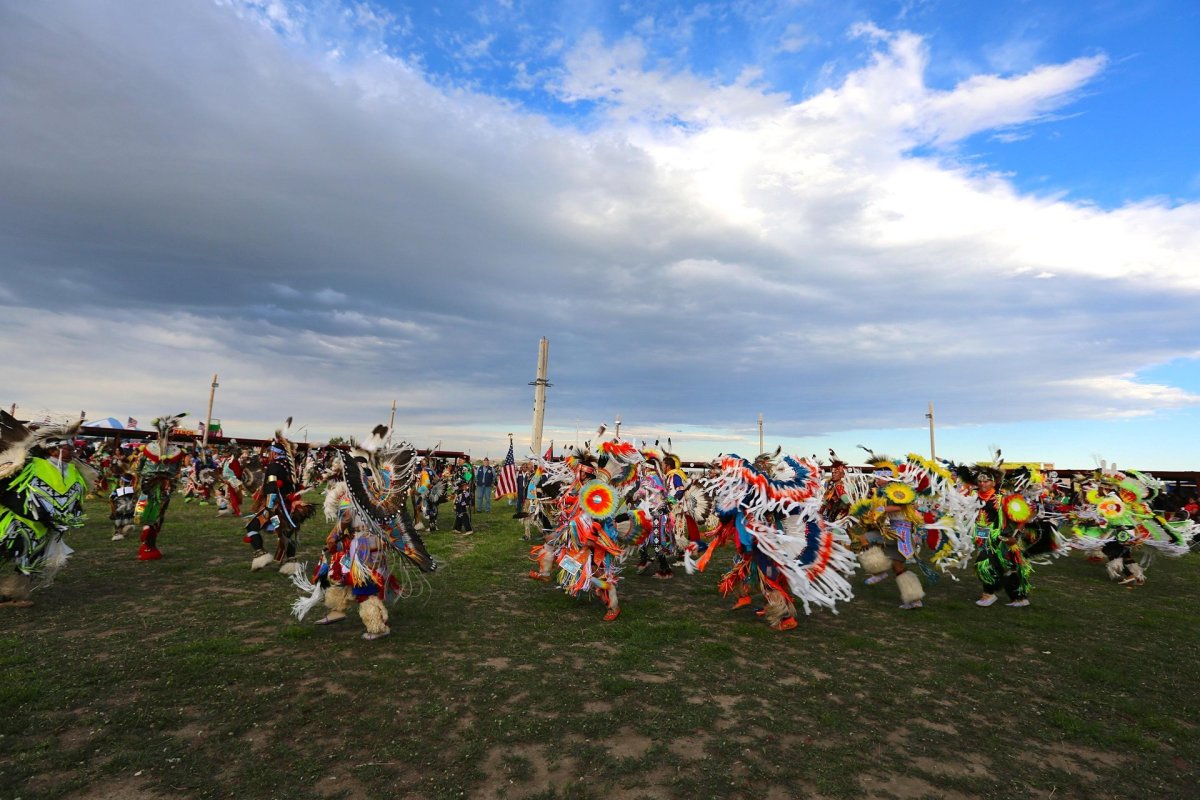
From sacred drumbeats and hoop dancing to storytelling and socializing, a powwow is a great way to connect with and learn about Native American tribes in Wyoming. These traditional gatherings are typically held between June and September, with major celebrations including the Eastern Shoshone Indian Days Powwow, Ethete Celebration Powwow and Northern Arapaho Powwow. You can also take in weekly dance exhibitions at the Wind River Hotel & Casino in Riverton on Tuesday nights, and the Museum of the American West in Lander on Wednesday nights, throughout the summer season, where you’ll learn about different Native American dance styles and the significance of powwow regalia.
Guided Tours and Experiences in Wind River Country
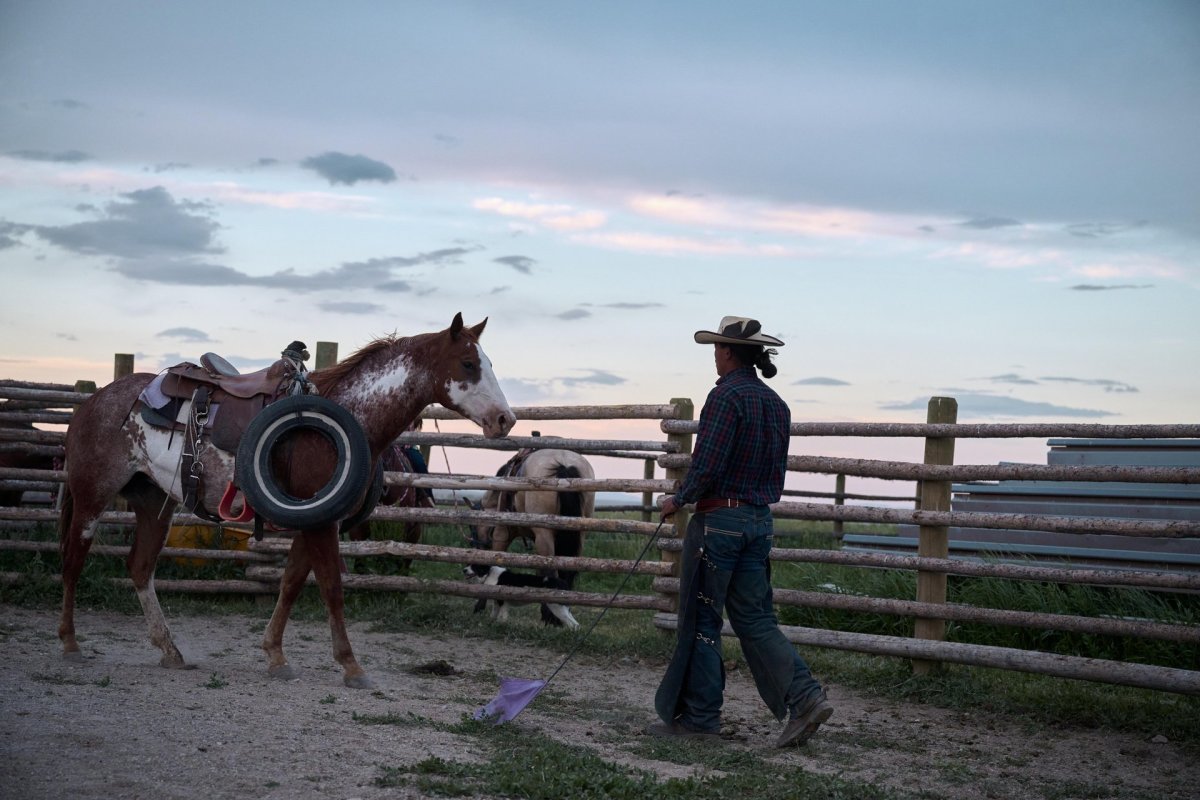
There are endless ways to experience the unforgettable landscape and culture of Wyoming’s Wind River Country. Sleep under the stars in an authentic tipi at the Wind River Basin Campground. Visit the Wind River Tribal Buffalo Initiative, where you can marvel at the mighty Monarch of the Plains in its natural habitat. Embrace the horse-centric culture of the Eastern Shoshone people at the Wind River Wild Horse Sanctuary, where over 250 wild mustangs run wild and free. Or plan the ultimate road-trip adventure with a self-guided audio tour through Fort Washakie, Riverton, Ethete and Lander as you delve into the history of the Eastern Shoshone and Northern Arapaho communities who live here today.