
Pick the Route That Matches Your Drive
Leaving through Yellowstone’s East Entrance puts Cody directly in your path. From there, you can continue toward Lovell and Bighorn Canyon if you’re heading north or angle southeast through Meeteetse, Thermopolis and Ten Sleep if I-90 is your goal. The Chief Joseph Scenic Byway is the third option, either as a scenic out-and-back from Cody or as part of a longer drive toward the Beartooth Highway.
From Yellowstone’s South Entrance or Grand Teton, the road leads through Jackson and Hoback Canyon toward the western side of the Wind River Range. Pinedale makes sense for travelers continuing toward Rock Springs and I-80. Lander fits better when the drive turns east across central Wyoming.
Each route includes one overnight stop and two or three main stops the following day. Wyoming distances look shorter on a map than they feel from behind the wheel, so don’t judge the day by the number of attractions you can fit into it.
Heading East Through Cody and the Big Horn Basin
Day One: Yellowstone’s East Entrance to Cody
The drive from Yellowstone’s East Entrance to Cody follows the Buffalo Bill Cody Scenic Byway through the Shoshone National Forest and the Wapiti Valley. The road winds along the North Fork of the Shoshone River with cliffs, rocky spires and broad stretches of ranchland.
It’s about 50 miles from the park entrance to Cody, but most people take longer than the mileage suggests. Near Cody, the road passes Buffalo Bill Reservoir and the Buffalo Bill Dam & Visitor Center before cutting through a tunnel into the basin.

Spend the Afternoon at the Buffalo Bill Center of the West
The Buffalo Bill Center of the West is much larger than many first-time visitors expect. Yes, it’s one campus, but there are five museums under its roof.
The Buffalo Bill Museum covers the life, career and showmanship of William F. Cody. The Draper Natural History Museum interprets the Greater Yellowstone ecosystem through immersive exhibits. The Plains Indian Museum centers the histories, cultures and living traditions of Indigenous peoples of the Plains. The Whitney Western Art Museum focuses on art of the American West, while the Cody Firearms Museum examines the role of firearms in American history.
Trying to cover every gallery in a single afternoon is ambitious. Choose the two museums that interest you most rather than rushing through all five. Our vote goes to the Draper Museum for anyone coming directly from Yellowstone. Seeing the ecosystem interpreted indoors adds context to what you’ve just driven through.

Walk Through Old Trail Town
Old Trail Town sits on the west side of Cody near the original site of the town that Buffalo Bill helped establish. Historic cabins and buildings from across Wyoming and Montana were moved here and preserved, including a cabin used as a hideout by Butch Cassidy’s Hole-in-the-Wall gang.
The buildings do most of the storytelling themselves. The rough timber walls, worn tools and tight rooms make frontier life feel very real. The grave of mountain man John “Liver-Eating” Johnson is also on the grounds.
Spend the Evening in Cody
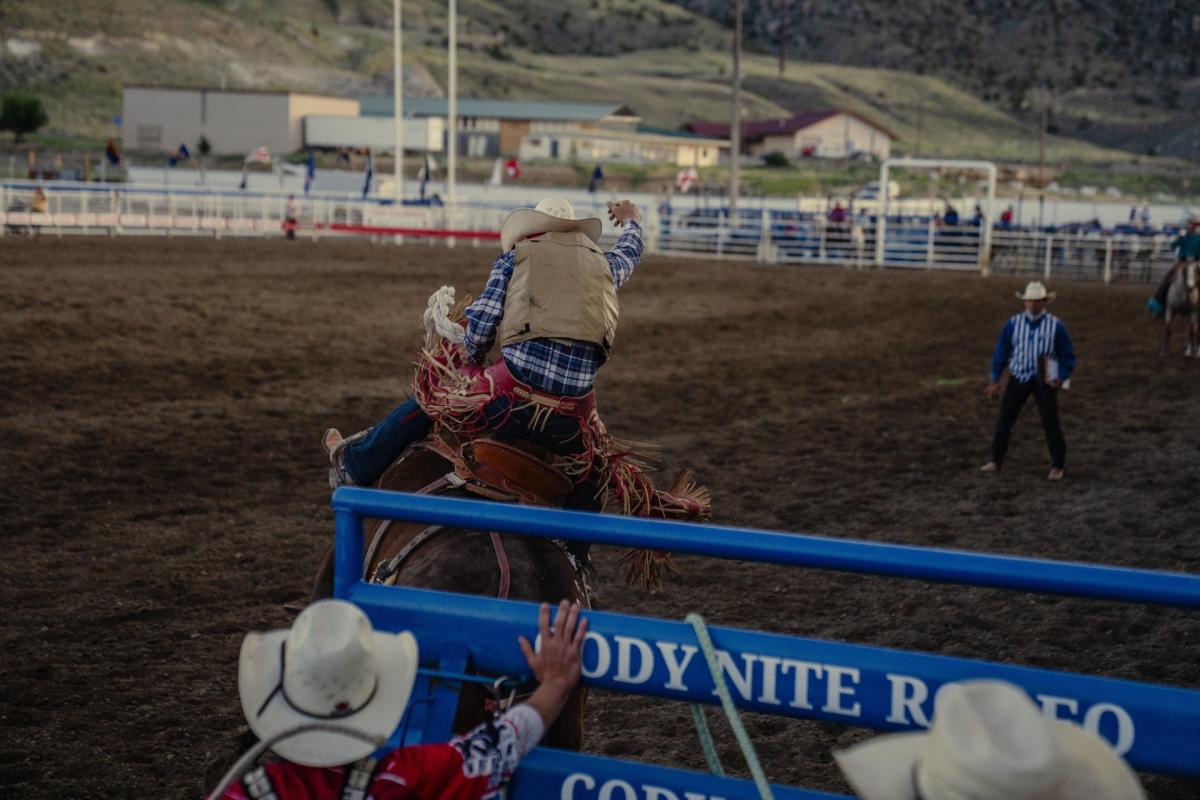
Summer nights in Cody are the stuff of legend. You can settle in for dinner downtown or head straight to the Cody Nite Rodeo. Or, you can do both!
The Cody Nite Rodeo runs every night all summer, with bronc riding, barrel racing, roping and bull riding. Tickets are worth booking ahead during the busiest summer weeks. You can also make a full evening of it with a ticket that gets you dinner and a show at Cody Cattle Company, followed by the rodeo.
Downtown, the Historic Irma Hotel remains one of Cody’s best-known landmarks. Buffalo Bill built the hotel and named it after his daughter. Its cherrywood bar was a gift from Queen Victoria, which is the sort of detail that sounds invented. And while Buffalo Bill was never one to let the truth get in the way of a good rumor, we can assure you this is a genuine story.
Stay overnight in Cody. You’ll find historic hotels, familiar chains, cabins, campgrounds and locally owned motels around town.
Day Two: Choose Chief Joseph Scenic Byway, Bighorn Canyon or Ten Sleep
Cody is where this route splits. The right choice depends on where you’re heading next and how much of the day you want to spend behind the wheel.
Option One: Chief Joseph Scenic Byway
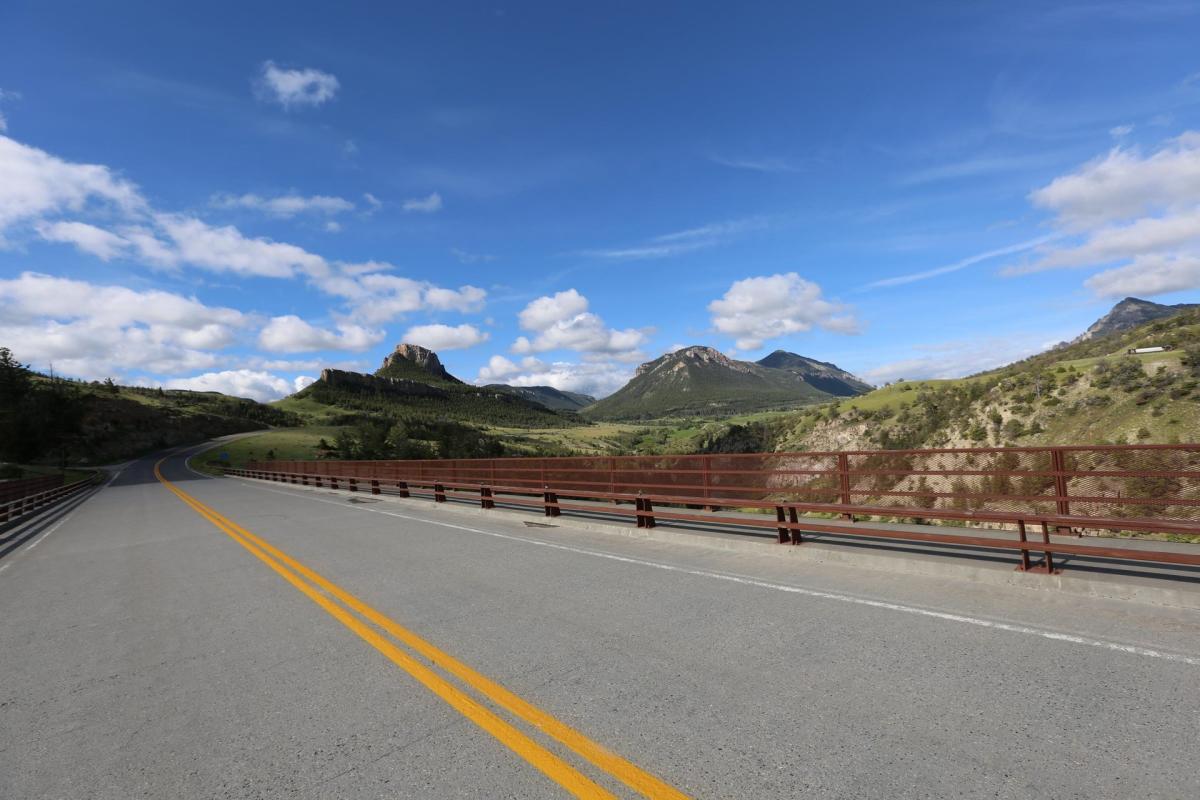
The Chief Joseph Scenic Byway is the route to take when the drive itself is the main event. From Cody, the highway climbs into the Absaroka Mountains through tight switchbacks and a series of overlooks. Dead Indian Summit is where you want to stop on this drive, with a broad view across the Clarks Fork Valley and the surrounding mountains.
This route makes the most sense as an out-and-back from Cody or for travelers continuing toward the Beartooth Highway and Cooke City. The switchbacks, overlooks and wildlife traffic make it a slower drive than you might expect, but that’s part of the charm.
Option Two: Lovell and Bighorn Canyon
Head northeast through Powell toward Lovell and the southern district of Bighorn Canyon National Recreation Area.
Option Three: Meeteetse and Ten Sleep
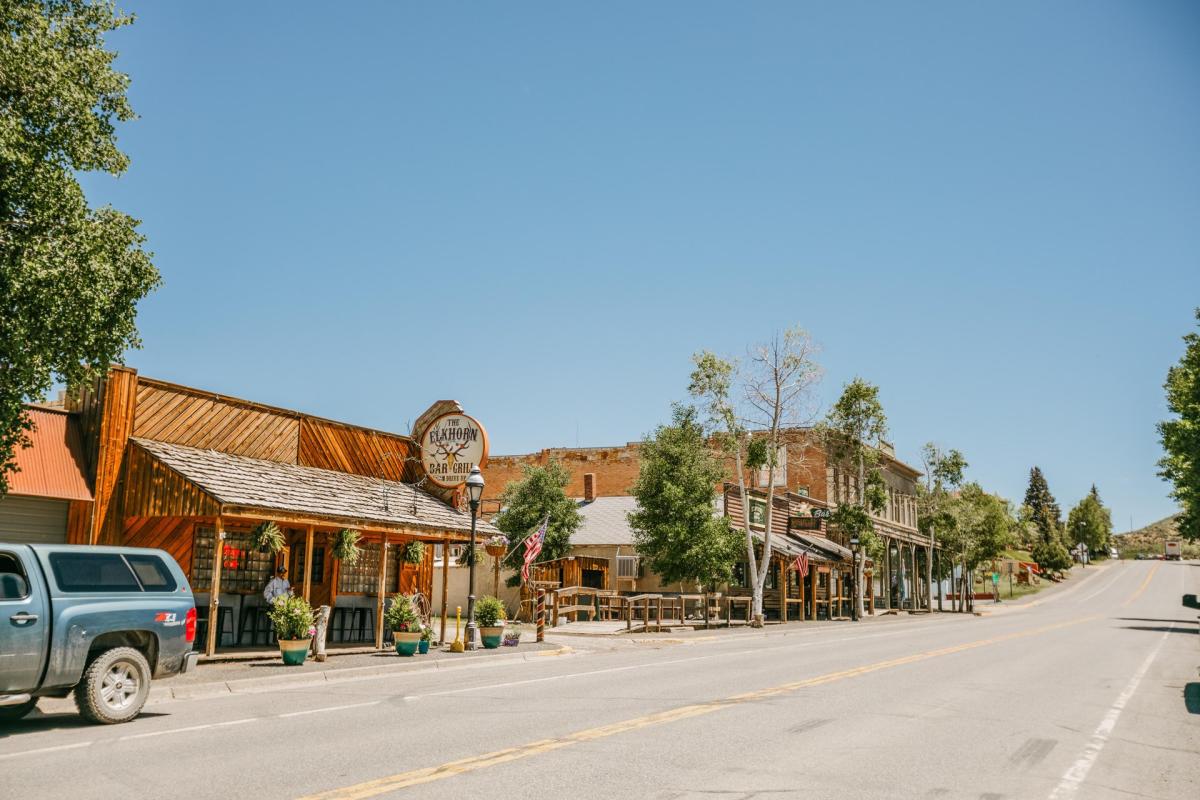
For a different side of Wyoming, take Highway 120 from Cody toward Meeteetse, then continue toward Ten Sleep.
Meeteetse is a small ranching town with wooden boardwalks and a main street that deserves more than a glance through the windshield. Stop for coffee, browse the Vic Payne Studio and pick up some treats from Meeteetse Chocolatier before continuing south into basin country.
Heading South Through Jackson and the Wind River Region
Day One: Grand Teton or Jackson to Pinedale or Lander
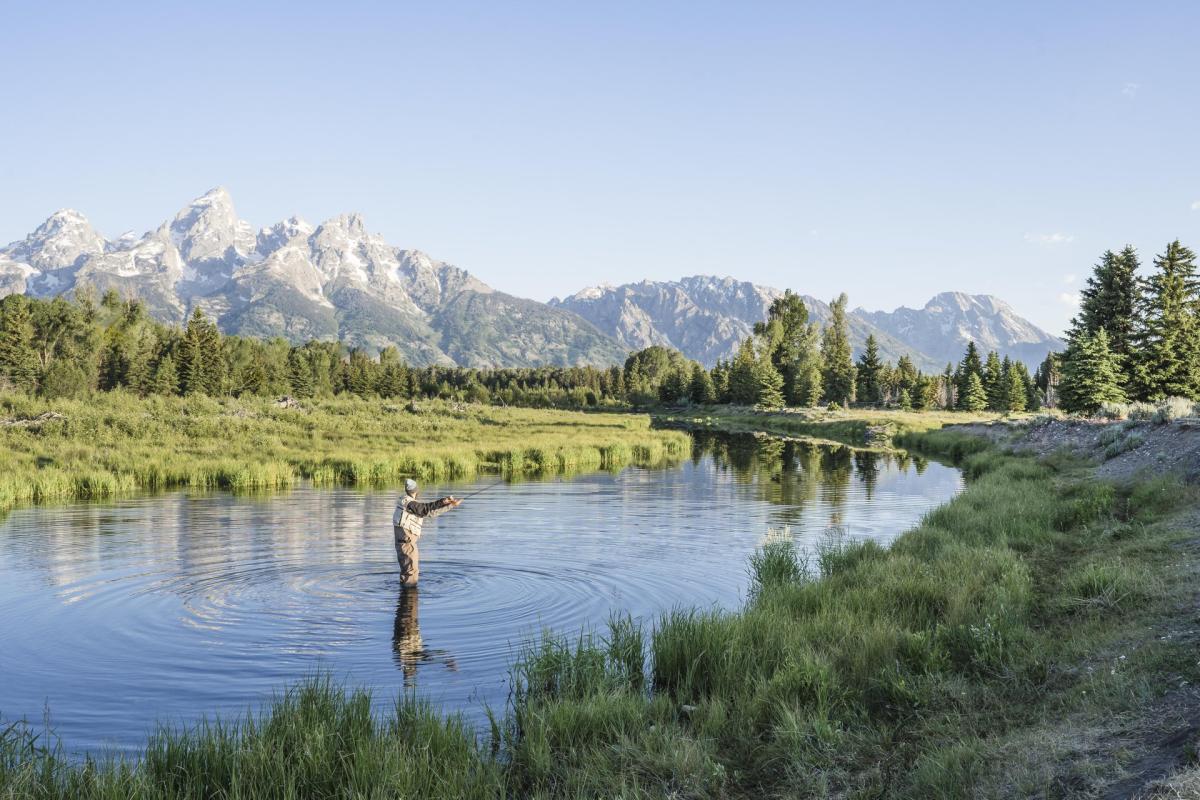
If you’re leaving Yellowstone through the South Entrance, you’ll pass through Grand Teton National Park before reaching Jackson. That sounds straightforward until the Tetons come into view and the schedule starts slipping.
And that’s okay. After all, what’s a road trip without a few side quests along the way?
Stop at the National Museum of Wildlife Art
North of downtown Jackson, the National Museum of Wildlife Art looks at how artists across centuries and cultures have portrayed animals and the landscapes they inhabit.
Even on a short visit, make time for the outdoor sculpture trail. The museum overlooks the National Elk Refuge, so the wildlife art inside feels closely connected to the landscape outside. Palate, the on-site restaurant, is a convenient lunch stop with views over the refuge.
Downtown Jackson offers galleries, shops and the antler arches around Town Square. It’s lively, polished and usually busy in summer. An hour or two is enough for Town Square, a few galleries and a walk beneath the antler arches.
Follow the Hoback River South
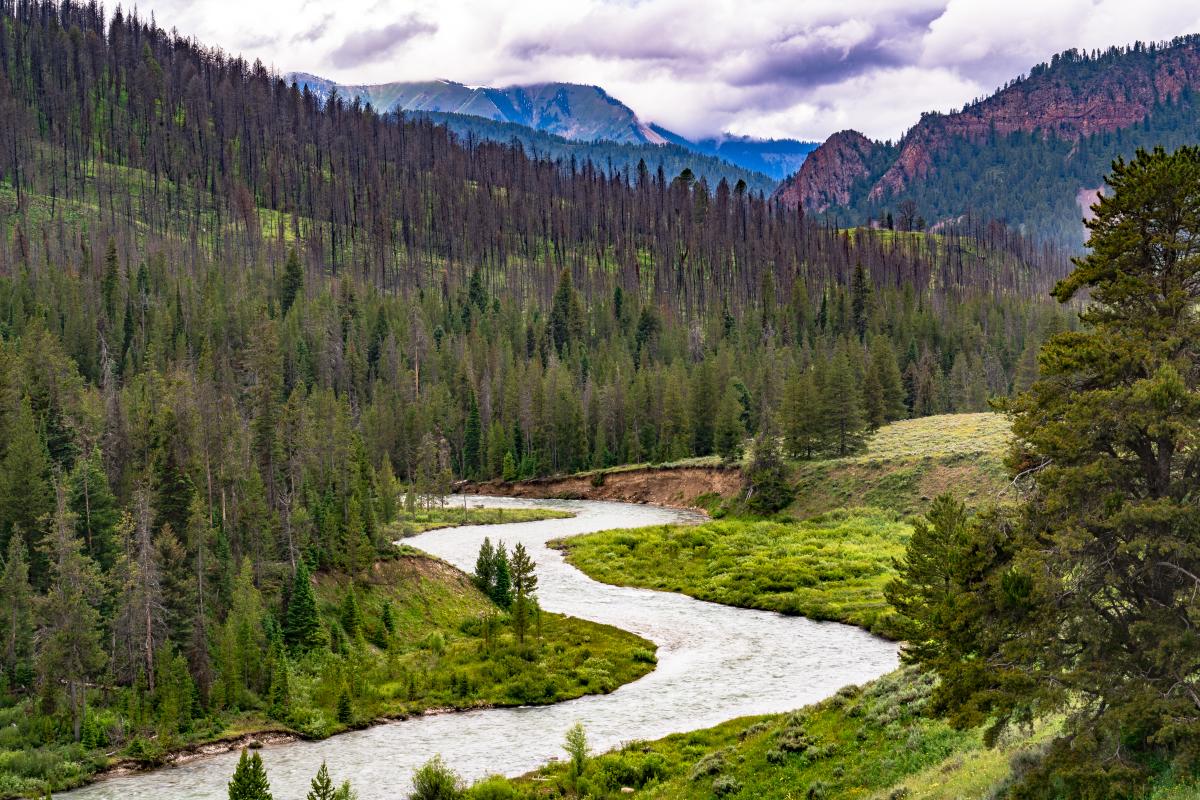
From Jackson, U.S. Highway 191 heads south through Hoback Canyon. The road follows the Hoback River between forested slopes and exposed rock before opening into broader country near Bondurant.
This part of the drive is often treated as a connector between Jackson and Pinedale. We disagree. Past Bondurant, the canyon opens into ranchland with the Gros Ventre and Wyoming ranges in view. By the time you reach Pinedale, the Tetons are gone and the country feels drier, quieter and more expansive.
Pinedale sits on the western side of the Wind River Range, with lodging, restaurants and fuel but none of the polish of a resort town.
Fremont Lake is a few miles from town and is Wyoming’s second-largest natural lake. On a clear evening, the water gives you a broad view of the Gros Ventre Range and Wyoming Range. It’s a fine place to end the day when you’d rather watch the light change than find another attraction with a gift shop.
For dinner, Old Stone Smokehouse and Country Pizza is a local option for pizza, pasta, burgers and salads.
Day Two: Choose Your Direction
Your second day depends on where you spent the evening.
Option One: Pinedale and the Upper Green River Valley
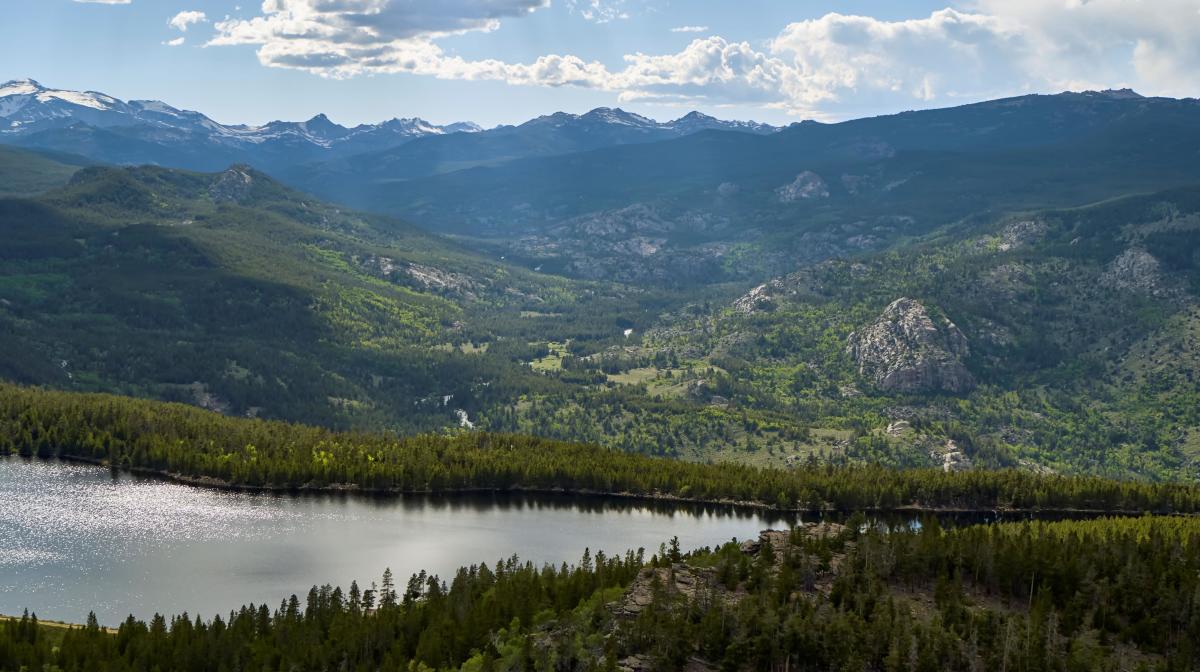
Travelers continuing south toward Rock Springs and I-80 can spend the morning around Pinedale.
Start at Fremont Lake or drive toward Elkhart Park for higher views into the Wind River Range. Serious hikes here require more time than a 48-hour itinerary allows. The views don’t. You can see the mountains from overlooks and trailheads without pretending you’re squeezing in a backcountry expedition between breakfast and the interstate.
Pinedale is also a gateway to the Continental Divide Trail and a base for trips into Titcomb Basin and the Cirque of the Towers. Those belong on a longer trip. For this route, spend the morning near town, then continue south on U.S. 191 toward Rock Springs.
Option Two: Lander and Sinks Canyon State Park
This option fits travelers who continued to Lander and are heading east through central Wyoming.
Start your day by picking up breakfast or lunch at Lander Bake Shop, known locally for bagels, pastries, quiche and coffee, then head south toward Sinks Canyon State Park.
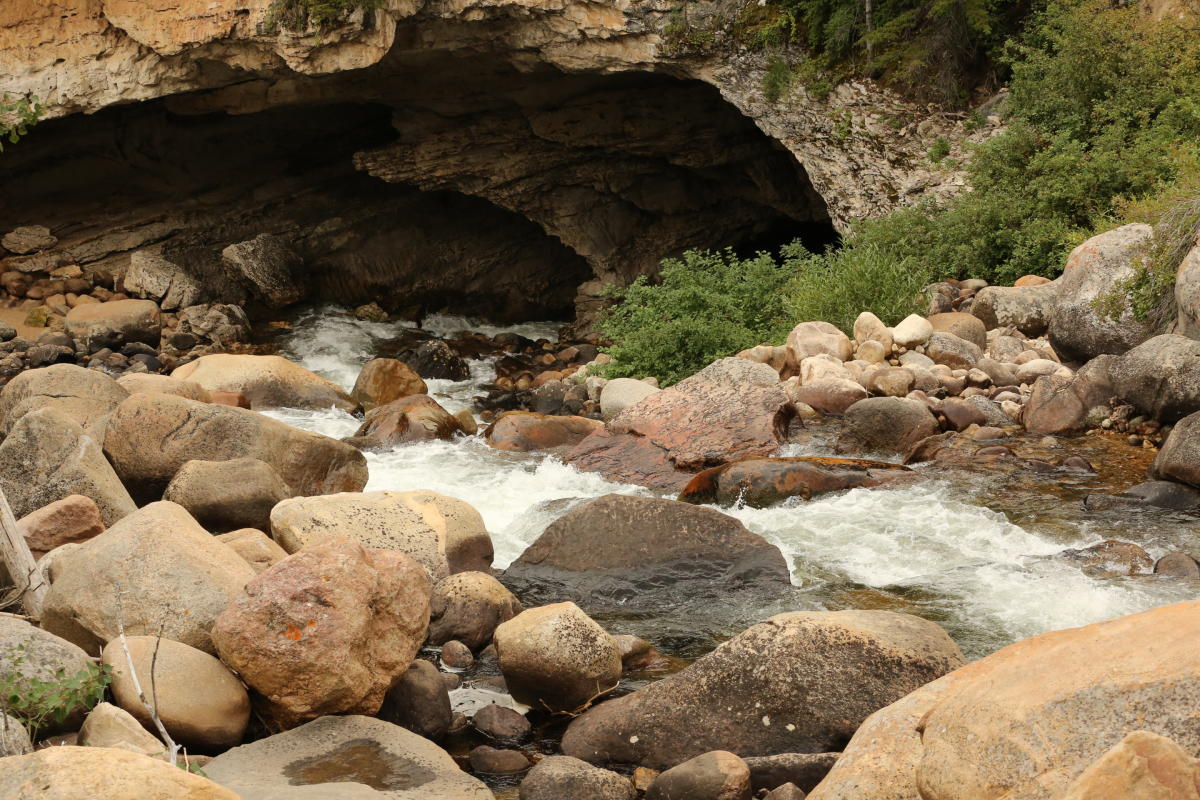
The park takes its name from a geologic feature where the Middle Fork of the Popo Agie River disappears into a limestone cavern known as the Sinks. The water reappears farther down the canyon at the Rise. Scientists have traced the connection between the two points, though the underground route remains more complicated than the straight-line distance suggests.
Roadside viewing areas make both the Sinks and the Rise easy to see. If you want to learn more, stop by the visitor center for information on the canyon’s geology, wildlife and natural history.
If 48 hours is more of a polite suggestion than a strict time limit, hike the Popo Agie Falls Trail, a roughly three-mile round-trip hike with rocky sections and more than 600 feet of elevation gain. Otherwise, spend some time at the Sinks and the Rise, then continue east from Lander.
Food, Fuel and the Parts of the Drive People Forget to Plan
Once you’re outside Wyoming’s larger towns, food, fuel and cell service can be spread farther apart than visitors expect.
Fuel up before leaving Cody, Jackson, Pinedale, Lander or Lovell. Gas stations become less frequent outside the larger towns and some small-town businesses keep limited hours. A half tank can disappear in a hurry when scenic detours, headwinds and mountain grades enter the picture.
Pack water, something substantial to eat and a cooler if you have room. Pick up lunch before leaving town if you plan to eat along the route. Bighorn Canyon, Fremont Lake and Sinks Canyon all have places where you can stop for a picnic.
Cell service is inconsistent in canyons, mountain areas and long rural stretches. Download maps before leaving town and save the address of your lodging. A screenshot isn’t glamorous, but neither is turning around because your navigation app gave up.
Have a backup plan in case weather, roadwork or crowded parking areas change the day. Conditions can shift quickly in Wyoming, especially in mountain areas.
Wildlife sightings are part of the drive, but use a designated pullout rather than stopping in the travel lane. Keep at least 100 yards from bears and wolves and 25 yards from other wildlife. Never feed animals and keep food secured inside your vehicle.
Watch your speed after dark. Deer, elk, moose and pronghorn may enter the roadway quickly. Dawn and dusk require particular attention.
WY Responsibly means paying attention to the communities along the route. A meal, a tank of gas or a night in a locally owned motel keeps more of your spending in the towns you’re visiting. Take care of the land, give wildlife space and leave picnic areas, trails and overlooks as you found them.