
Route A – From Evanston
Where Does Route A of the Salt-to-Stone Itinerary Begin and What Can You See Along the Way?
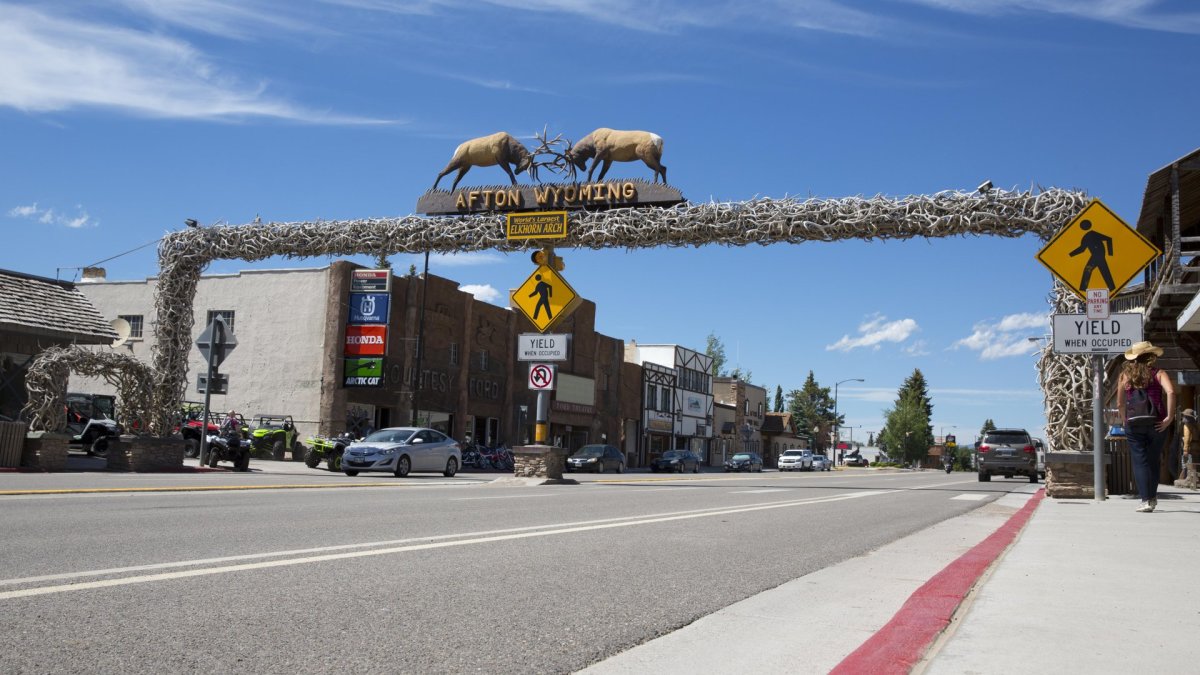
This Salt-to-Stone route begins in Evanston and offers a mix of historic views and iconic Wyoming landscapes. Start in Evanston, home to one of the only remaining Union Pacific Railroad roundhouse that is still standing and open to explore. Visit Fort Bridger State Historic Site to step back into the era of wagon trains and frontier traders. See ancient fossils at Fossil Butte National Monument and then follow the Star Valley Scenic Byway toward Jackson. Along the way, don’t miss the Intermittent Spring near Afton and the soaring views from the Jackson Hole Aerial Tram before reaching Grand Teton and Yellowstone national parks at the north end of the route.
Route B – From Green River
What Outdoor Attractions and History Are on Route B of the Salt-to-Stone Itinerary?
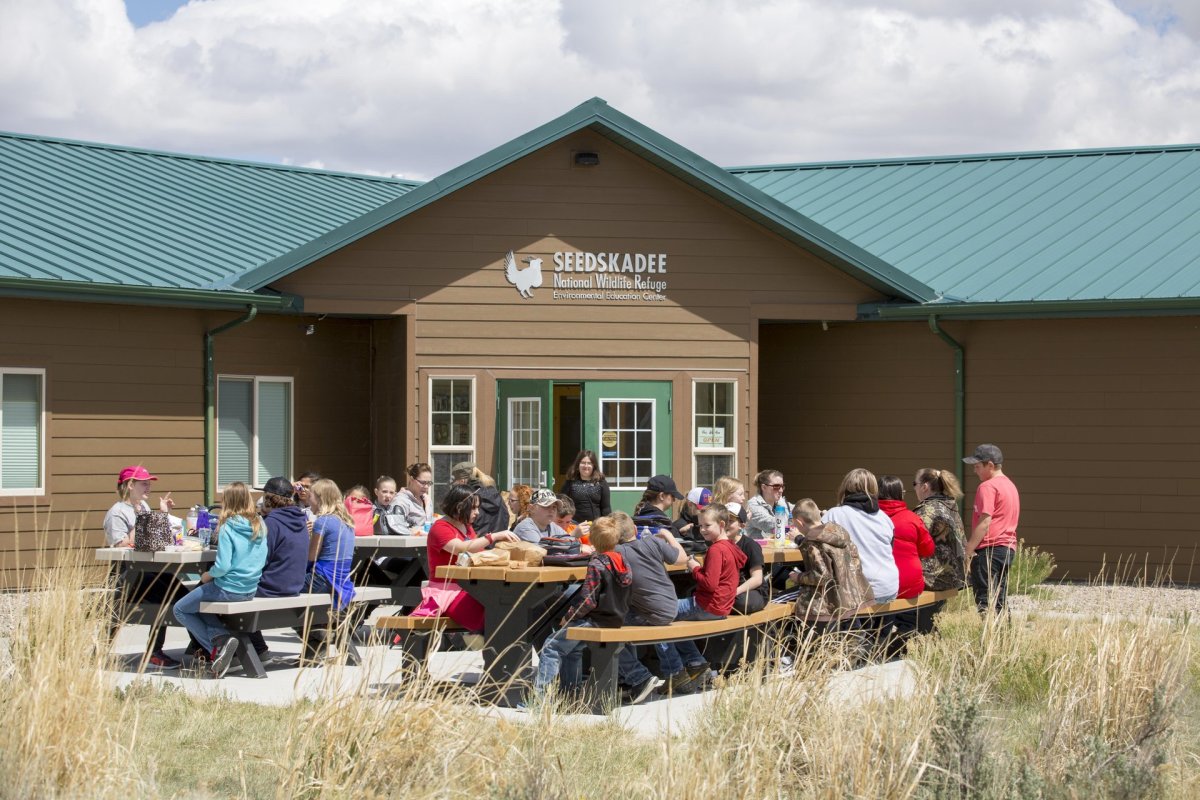
Route B starts near Green River and takes you north through outdoor recreation spots and cultural landmarks. Boating and fishing at Flaming Gorge National Recreation Area kick off this route, followed by wildlife viewing at Seedskadee National Wildlife Refuge. Enjoy small-town flavor with ice cream at Farson Mercantile, then learn about Wyoming’s fur trade at the Museum of the Mountain Man. Green River Lakes and Squaretop Mountain showcase dramatic landscape views. Finally, this route also ends at Grand Teton and Yellowstone for wildlife hikes and classic park experiences.
Route C – From Kemmerer
What Highlights Await on Route C from Kemmerer on the Salt-to-Stone Journey?
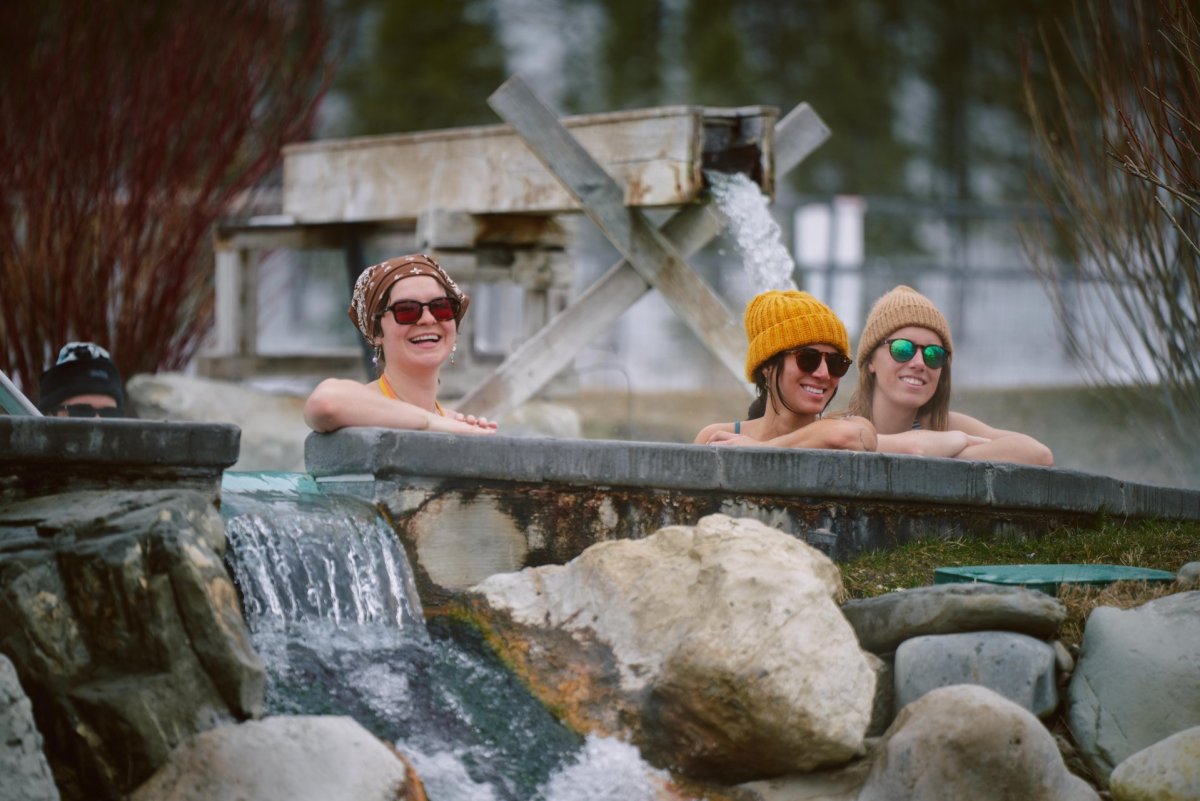
Route C begins in Kemmerer with time for fossil hunting at Fossil Butte National Monument. Explore rugged Wyoming Range trails and visit the Green River Valley Museum to connect with local history. Take time to relax at Astoria Hot Springs before turning north toward Grand Teton and Yellowstone. This section of the Salt-to-Stone itinerary focuses on wide-open landscapes, natural waters and quiet backroads that make this route feel both adventurous and restorative.