
Like This? Try That: Lesser-Known Wyoming Hidden Gems
Explore Wyoming's Hidden Gems
While Yellowstone and Grand Teton national parks offer world-renowned sights, the untamed spirit of the West breathes through every corner of the state. Beyond the busiest overlooks and well-known trailheads, you will find state parks, national forests and small-town gateways that offer a similar sense of wonder with fewer crowds, lower costs and more room to roam.
Venture beyond the familiar with these lesser-known outdoor experiences in Wyoming, where you’ll find big scenery, awe-inspiring wildlife and thrilling outdoor adventure.
What You’ll Find in This Guide
- Lesser-known Wyoming outdoor experiences that offer scenery with more room to roam
- Alternatives to Yellowstone and Grand Teton for geothermal wonders, mountain views, lakes, hot springs, hiking and wildlife
- Quick planning details for each stop, including location, entry fees and best-fit activities
- Tips to help you WY Responsibly
Like Yellowstone’s Geothermal Wonders? Try Thermopolis
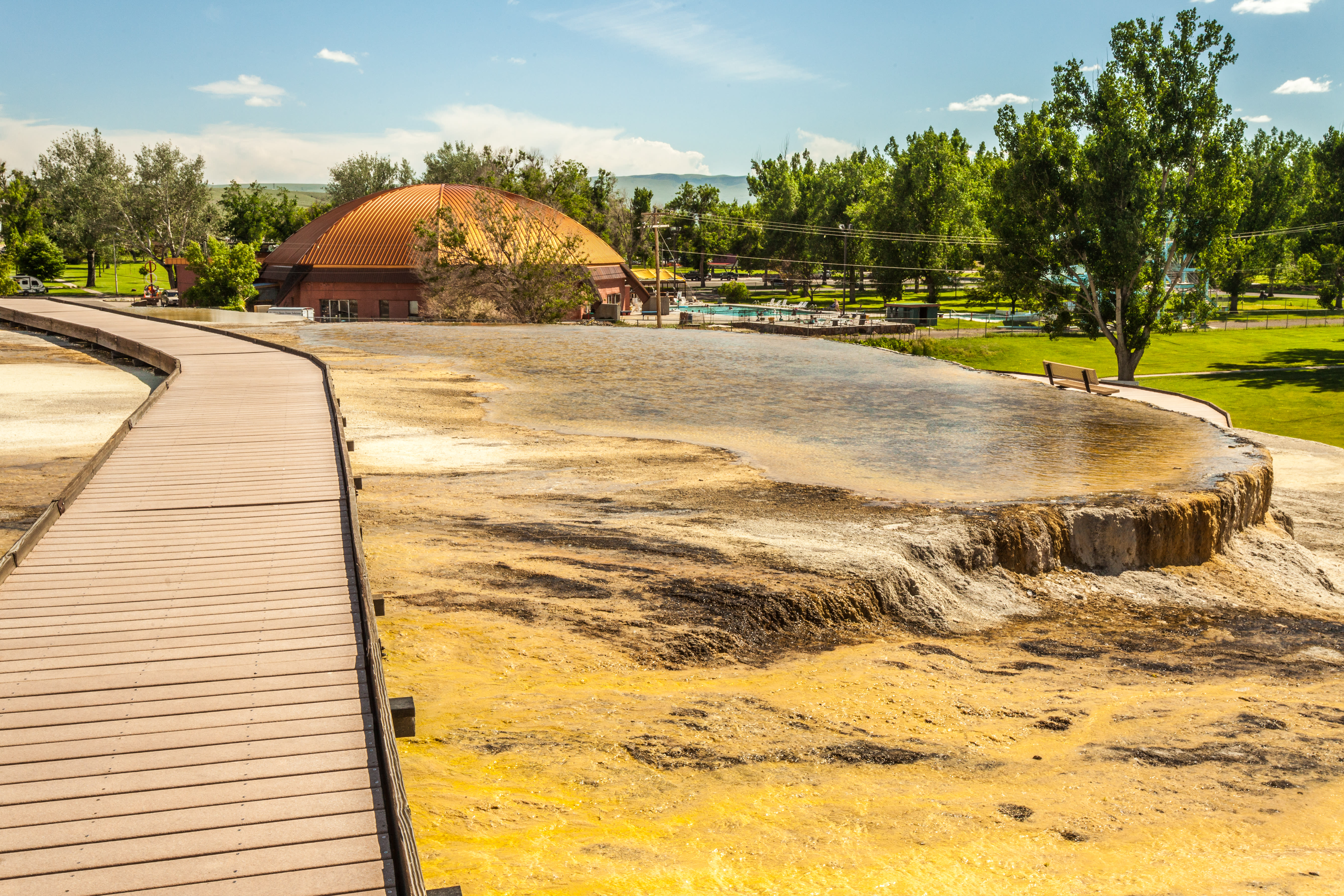
Thermopolis is a small Wyoming town known for natural hot springs, mineral terraces and family-friendly fun. At Hot Springs State Park, mineral water flows over colorful terraces near Bighorn River, creating a quieter way to experience Wyoming’s geothermal side beyond the busiest boardwalks of Yellowstone National Park.
Thermopolis at a Glance
Location: North-Central Wyoming Entry fee: State Park Bath House is free to use Best for: Hot springs, mineral terraces, family-friendly walks and relaxed outdoor time
Within Hot Springs State Park, more than 1.8 million gallons of mineral water flow over the terraces each day at a constant 128 degrees. The park’s free State Bath House cools the water to 104 degrees for soaking, giving visitors a budget-friendly way to enjoy the hot springs.
Beyond the bath house, the park offers accessible walking paths, hiking trails, picnic areas, fishing access and views of Wyoming’s state bison herd. Families can turn the visit into a full day with stops at The Wyoming Dinosaur Center and Legend Rock State Petroglyph Site.
Like Yellowstone’s Strange Natural Features? Try Sinks Canyon State Park
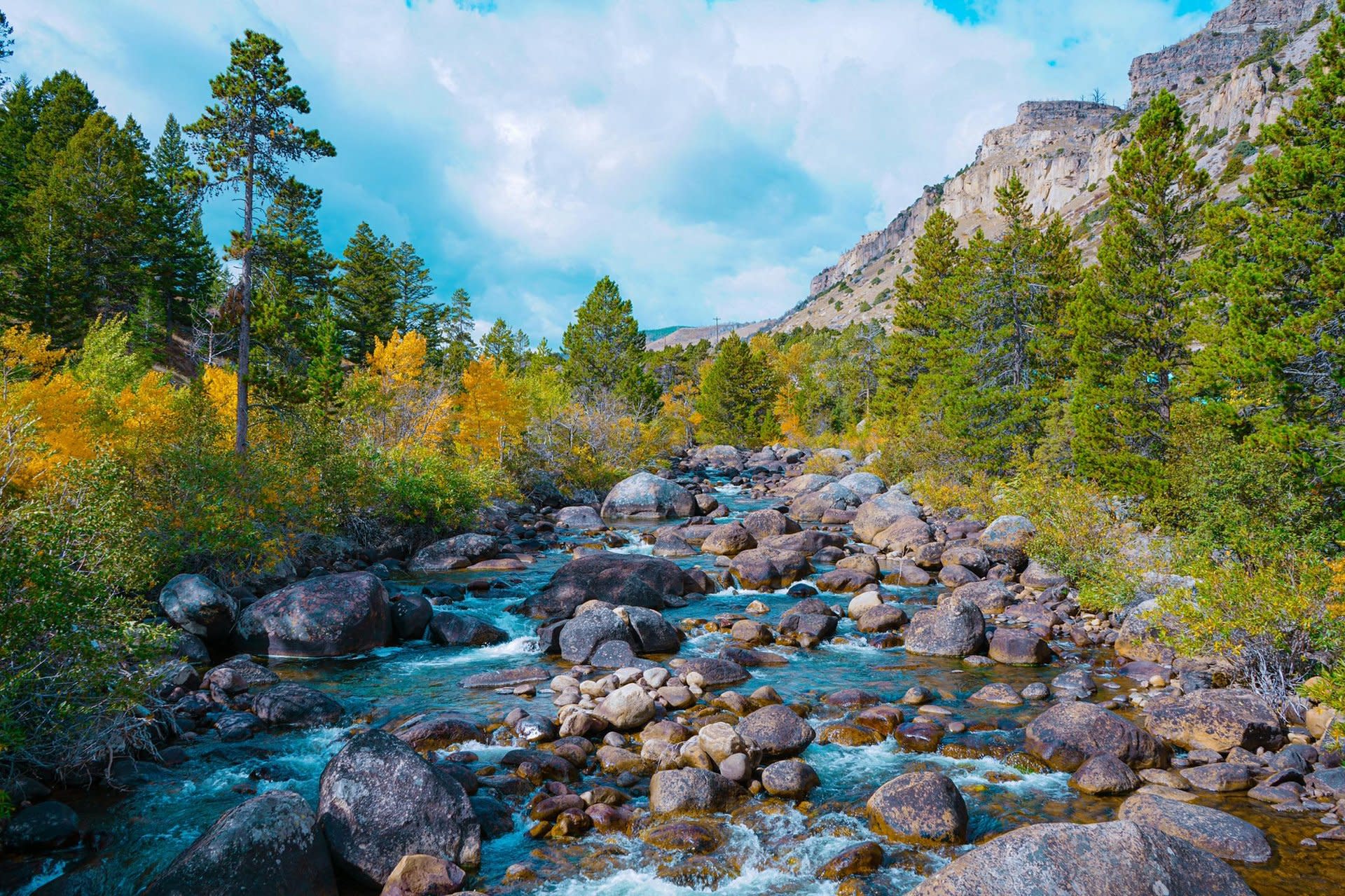
Tucked into the Wind River Range just south of Lander, Sinks Canyon State Park is home to one of Wyoming’s most mysterious natural wonders. The Middle Fork of Popo Agie River flows into a limestone cavern called the Sinks, disappears underground and reappears about a quarter mile downstream in a calm pool known as the Rise.
Sinks Canyon State Park at a Glance
- Location: Lander
- Entry fee: No daily use fee; overnight camping fees apply
- Best for: Geology lovers, hikers, climbers, anglers and families
For a first visit, start at the visitor center to get your bearings, then follow the Rise Trail to see where the water returns. With camping, fishing, photography, rock climbing and nearby mountain bike trails, Sinks Canyon delivers a full day of Wyoming adventure for $7 per vehicle, compared to the $35 entry fee at Yellowstone National Park.
Insider Tip: Stop by the Rise, especially later in the day, to watch large trout gather in the pool where the Popo Agie River reappears after flowing underground.
Like Grand Teton’s Dramatic Peaks? Try Snowy Range
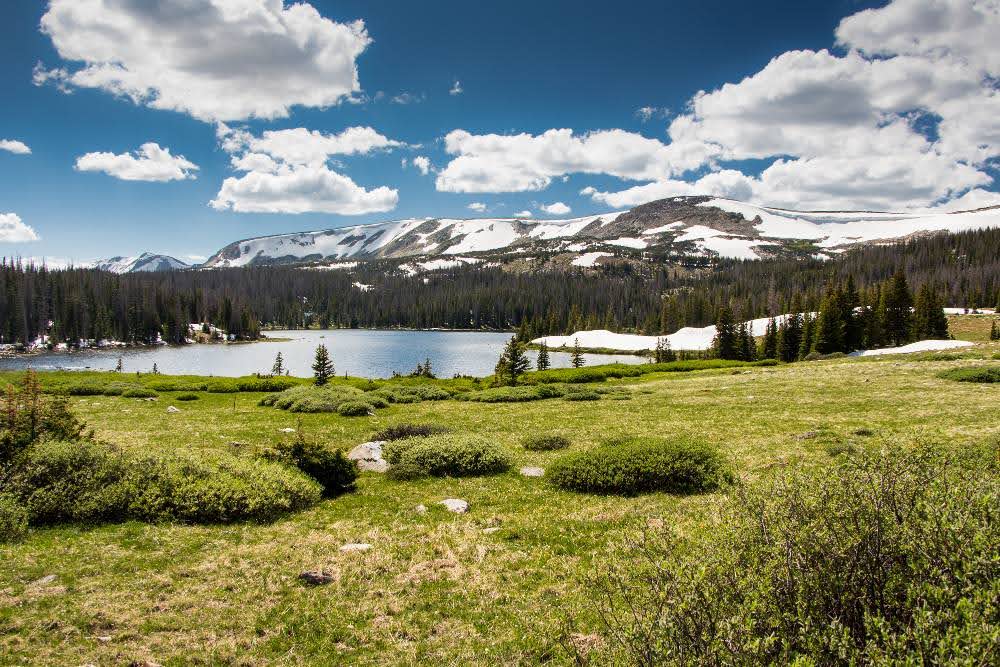
For travelers drawn to Grand Teton’s mountain scenery, Snowy Range offers a high-country experience in southern Wyoming with fewer crowds and plenty of room to explore. Part of Medicine Bow National Forest, this area is known for rugged peaks, clear alpine lakes, mountain wildflowers and a scenic byway that climbs quickly into the mountains.
Snowy Range at a Glance
- Location: Southern Wyoming
- Entry fee: General forest access is free; some campgrounds may charge a nightly fee
- Best for: Scenic drives, alpine lakes, hiking, fishing, camping and mountain views
The Snowy Range Scenic Byway follows a 29-mile paved stretch of Wyoming Highway 130, climbing from the valley floor into the Medicine Bow Mountains. Along the way, travelers can take in rugged peaks, clear alpine lakes, mountain wildflowers and views of Medicine Bow Peak, the highest point in the range at 12,013 feet.
Stops like Lake Marie and Libby Flats Observation Lookout make it easy to experience the scenery from the road, while nearby trails, fishing spots and campgrounds offer more ways to spend time in the high country.
Insider Tip: Because this is mountain terrain, conditions can change quickly. Snowy Range Scenic Byway typically closes for winter and reopens before Memorial Day weekend, depending on snow and road conditions, so check current updates before heading out.
Like Hiking in the Tetons? Try Bighorn National Forest
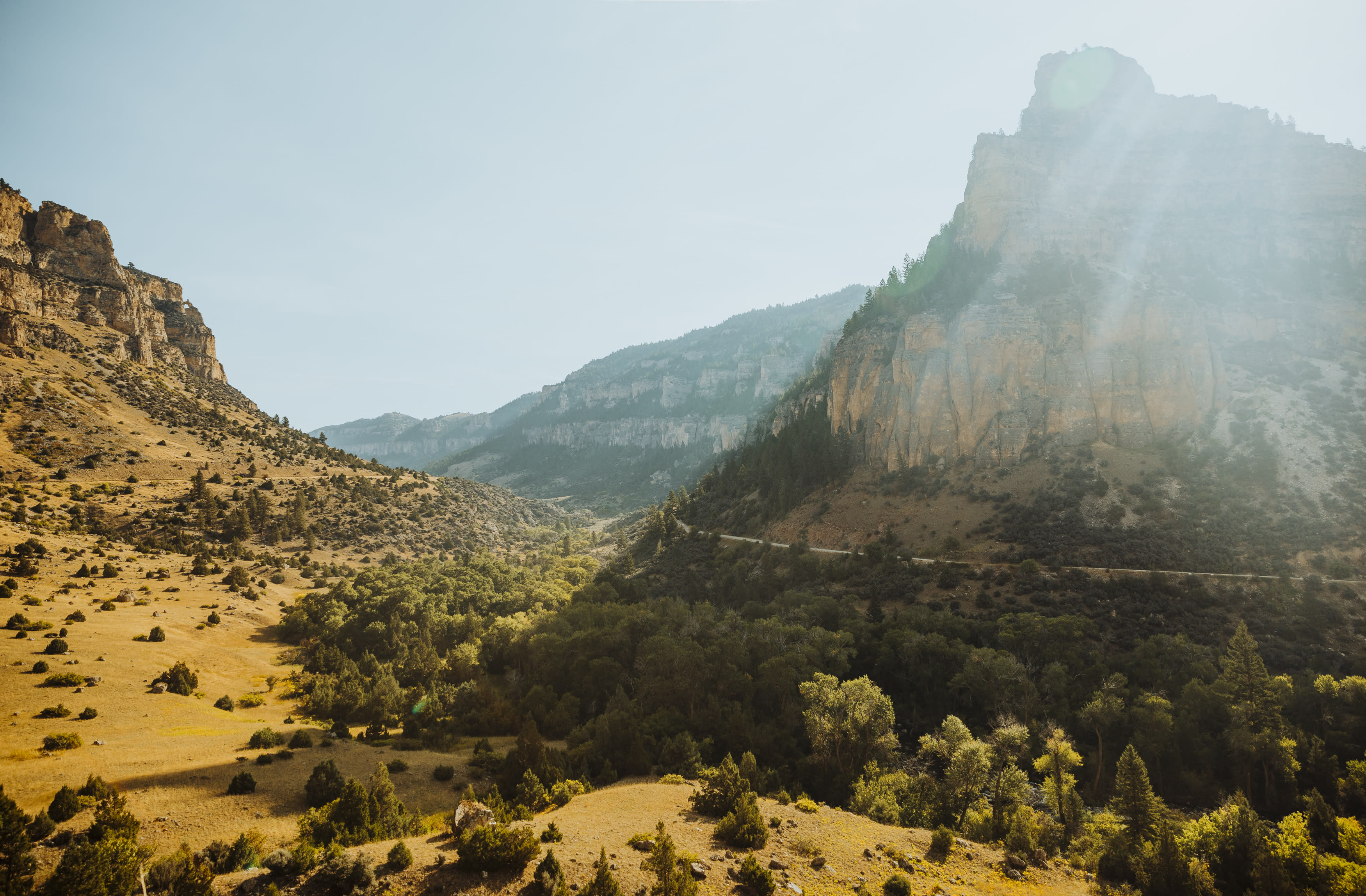
Bighorn National Forest brings big mountain scenery to north-central Wyoming, with more than a million acres of alpine meadows, glacial lakes, rugged cliffs and high peaks to explore. Among them is Cloud Peak, the tallest point in the Bighorn Mountains at 13,175 feet.
Bighorn National Forest at a Glance
- Location: North-central Wyoming
- Entry fee: No general entrance fee; developed campgrounds from $10 to $15 a night; dispersed camping is free
- Best for: Hiking, rock climbing, scenic drives, history and wildlife
For those seeking the wilder side of the forest, Cloud Peak Wilderness is the place to forge your path. Experienced hikers can plan challenging routes with serious high-country views, while casual travelers will find plenty of ways to explore through scenic byways, campgrounds and half-day treks.
Beyond the trails, Bighorn National Forest offers something in every season. Rock climbers can head to Tensleep Canyon, winter travelers can return for cross-country skiing and snowshoeing, and road-trippers can follow the Bighorn Scenic Byway through quiet mountain country. Shell Falls has long been a favorite stop along the route, though the interpretive site is currently closed for construction. Check Forest Service alerts for the latest updates before you go.
And for a deeper understanding of the landscape, visit Medicine Wheel National Historic Landmark. This sacred site holds long-standing cultural and ceremonial significance, offering a moment of reflection in the heart of the West.
WY Responsibly Tip: Medicine Wheel National Historic Landmark is a living sacred site where ceremonies still take place today. If you arrive during an active ceremony, put your camera away and be mindful of the space. Never touch, move or photograph sacred offerings left on the fence or inside the wheel.
Like Yellowstone Lake? Try Keyhole State Park
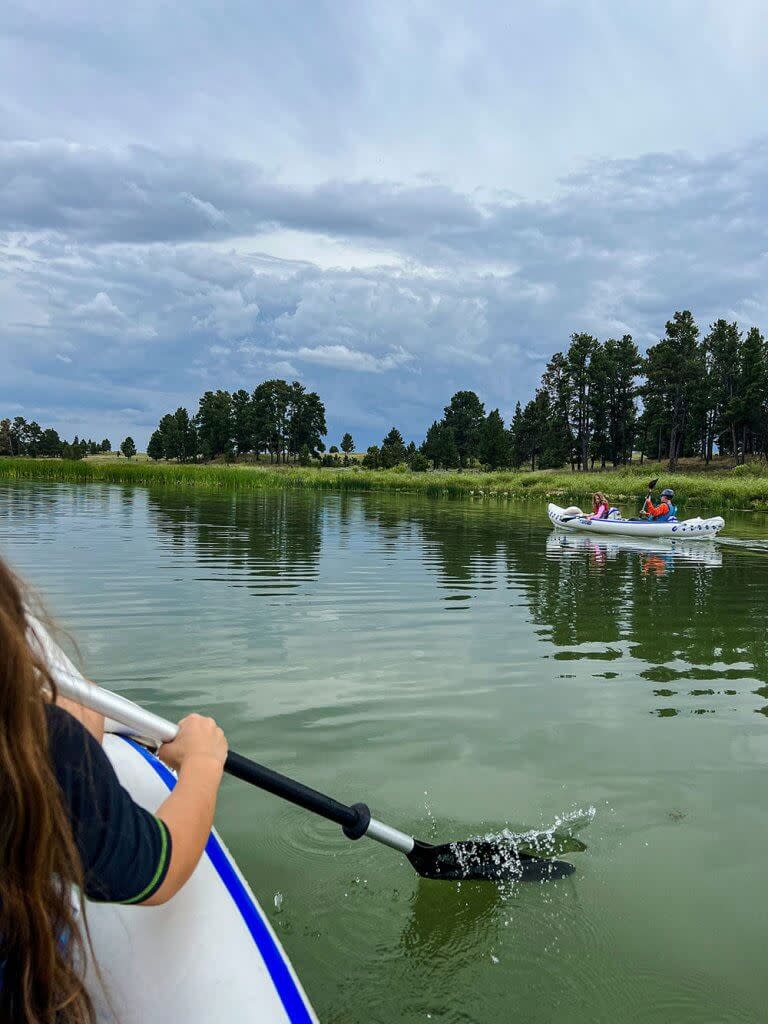
Set within sight of Devils Tower on the western edge of the Black Hills, Keyhole State Park offers a quieter reservoir getaway in northeast Wyoming. Here, lake days can mean swimming, boating, water skiing, fishing, hiking, bird-watching, geocaching or simply settling in at camp after a day on the water.
Keyhole State Park at a Glance
- Location: Northeast Wyoming
- Entry fee: Wyoming state park day-use and camping fees apply; campsites should be reserved in advance
- Best for: Boating, swimming, fishing, water skiing, bird-watching and camping
Keyhole State Park is made for time on the water. Visitors can swim, boat, water ski, fish along the shore or launch from one of the park’s boat ramps. Bird-watching and hiking add quieter ways to explore, while campgrounds make it easy to turn a lake day into a weekend trip.
Travelers who want to stay longer can reserve a campsite, cabin, group shelter or treehouse stay through Wyoming State Parks. With its Black Hills setting and easy access from I-90, Keyhole makes a natural addition to an epic Wyoming road trip.