Quick Picks for Wyoming State Parks in Winter
- For wildlife viewing: Bear River State Park is a strong choice for spotting bison and elk while enjoying snowy trails.
- For ice fishing: Keyhole State Park, Glendo State Park and Boysen State Park are among the most useful places to start researching.
- For fat biking and trail recreation: Curt Gowdy State Park is the standout for a winter trip built around trails.
- For history and winter scenery: Guernsey State Park combines a reservoir setting with Civilian Conservation Corps history.
- For hot springs: Hot Springs State Park in Thermopolis is the clear choice for mineral-water soaking.
- For a quieter reservoir landscape: Seminoe State Park offers wide-open water, mountain scenery and access to the nearby Miracle Mile.
Plan a winter trip and pair a state park with nearby communities, scenic drives and other cold-weather experiences.
Wyoming State Parks to Explore in Winter
Bear River State Park
Where is Bear River State Park?
Near Evanston in southwest Wyoming, Bear River State Park follows the Bear River and sits close to the Utah border.
Does Bear River State Park have water?
Yes. The Bear River is the defining water feature and it also shapes the park's wildlife habitat.
What is Bear River State Park known for?
Wildlife viewing and quiet winter trail time. The park is especially known for bison and elk, plus snowshoeing and cross-country skiing.
What can visitors do in winter at Bear River State Park?
Winter visitors can use the park's trails for hiking, snowshoeing and cross-country skiing when conditions allow. Snow on the ground can make wildlife easier to spot, so a slower pace and binoculars are worth packing. The park is day-use only, so it is better suited to a winter outing than an overnight basecamp. Check current trail conditions before setting out.
Boysen State Park
Where is Boysen State Park?
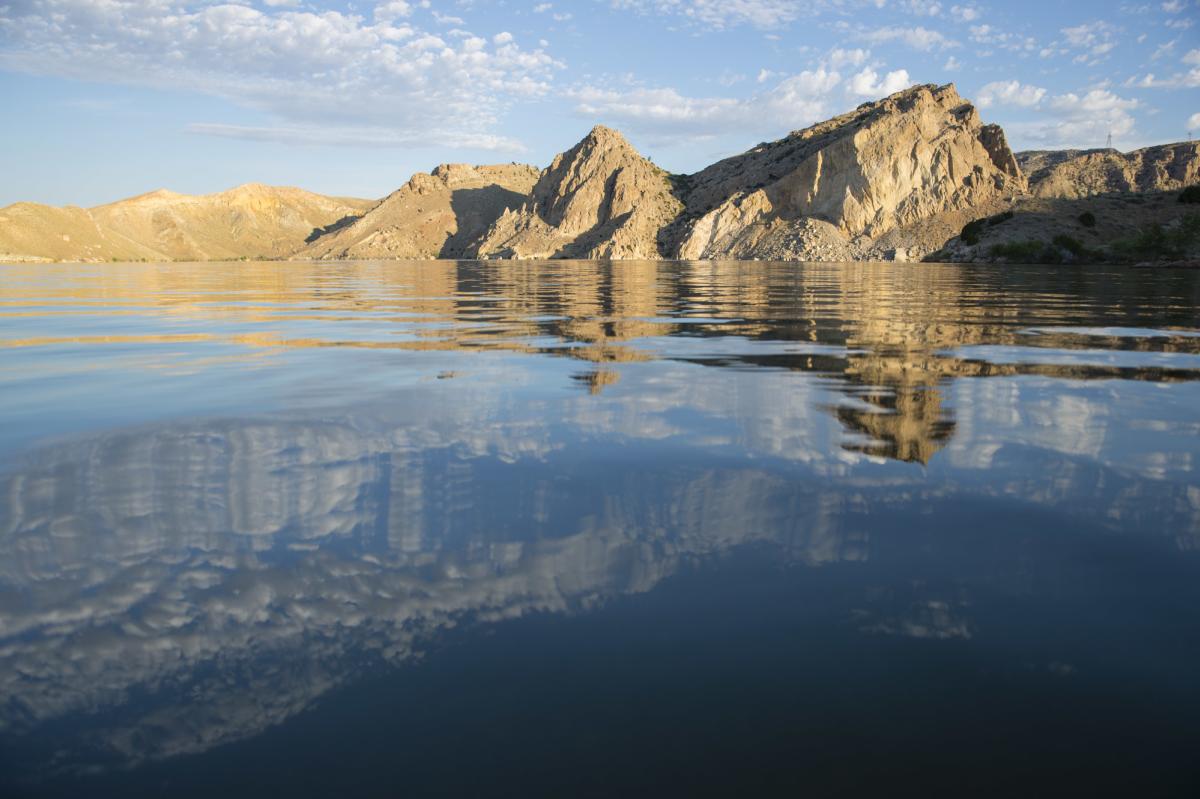
Between Shoshoni and Thermopolis in central Wyoming, Boysen State Park wraps around Boysen Reservoir at the mouth of Wind River Canyon.
Does Boysen State Park have water?
Yes. Boysen Reservoir is the park's centerpiece and supports fishing and other water recreation.
What is Boysen State Park known for?
Ice fishing, fishing, water recreation and access to the Bighorn Basin. The park also has cabins and yurts for overnight stays.
What can visitors do in winter at Boysen State Park?
Winter is a good time to focus on the reservoir and the quiet landscape around it. Ice fishing is one of the park's signature cold-weather draws, including the Boysen Ice Fishing Derby in January. When ice conditions are favorable, the Boysen Ice Races bring motorcycle racing to Fremont Bay. Winter visitors should verify event dates, ice conditions and current access before a trip.
Buffalo Bill State Park
Where is Buffalo Bill State Park?
Near Cody in northwest Wyoming, Buffalo Bill State Park sits along the north shore of Buffalo Bill Reservoir west of town.
Does Buffalo Bill State Park have water?
Yes. Buffalo Bill Reservoir is central to the park's landscape and recreation.
What is Buffalo Bill State Park known for?
Scenery, fishing, boating, wildlife viewing and proximity to Cody and Yellowstone National Park.
What can visitors do in winter at Buffalo Bill State Park?
In winter, Buffalo Bill State Park is a quieter base for seeing the Greater Yellowstone Ecosystem around Cody. The park's water activities are largely seasonal, so winter visitors are better served by scenic drives, photography, wildlife watching and time in Cody. The Buffalo Bill Cody Scenic Byway can also add a strong road-trip component when conditions are favorable.

Curt Gowdy State Park
Where is Curt Gowdy State Park?
Between Cheyenne and Laramie in southeast Wyoming, Curt Gowdy State Park spreads across a landscape of granite outcrops, reservoirs and rolling foothills.
Does Curt Gowdy State Park have water?
Yes. Granite, Crystal and North Crow reservoirs give the park three distinct water settings.
What is Curt Gowdy State Park known for?
Mountain biking, hiking, fishing and trail-based recreation. Its trail system is particularly well known among mountain bikers.
What can visitors do in winter at Curt Gowdy State Park?
Winter turns Curt Gowdy into a destination for fat biking, hiking, snowshoeing and cross-country skiing when snow and trail conditions cooperate. The park has also been a setting for ice fishing and ice sailing. Visitors who want the most from a winter outing should check current trail and reservoir conditions and choose equipment that matches the terrain.
Edness K. Wilkins State Park
Where is Edness K. Wilkins State Park?
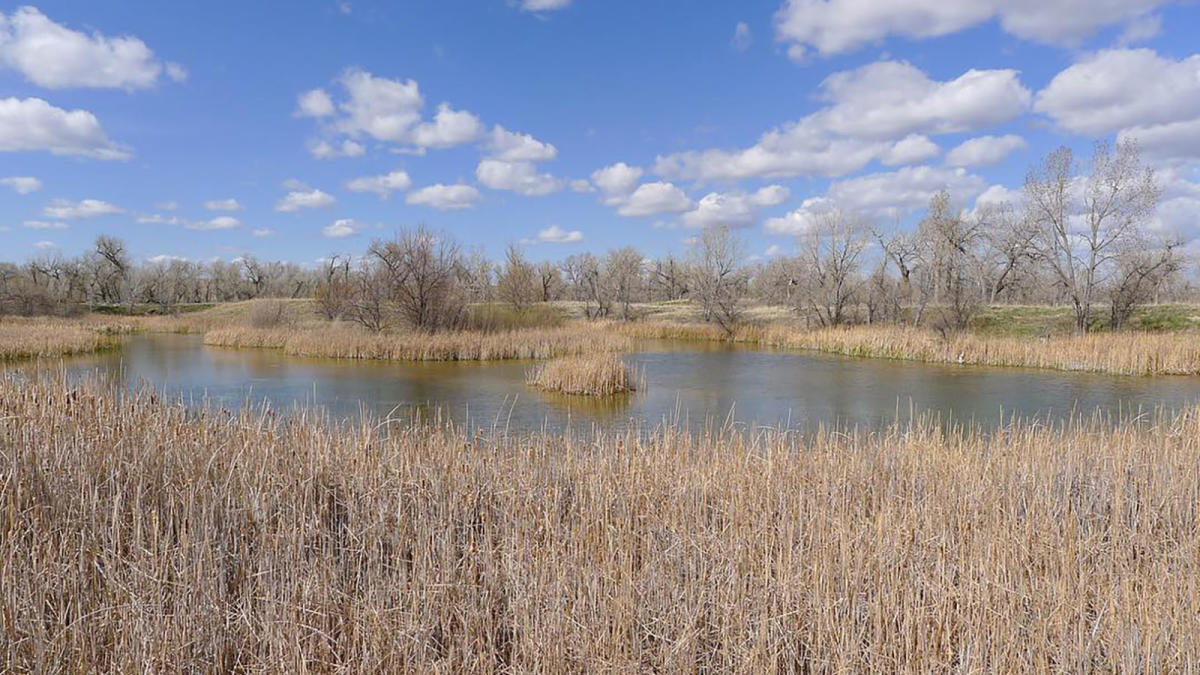
About 6 miles east of Casper, Edness K. Wilkins State Park sits along the North Platte River and a reservoir in central Wyoming.
Does Edness K. Wilkins State Park have water?
Yes. Water is part of the park's appeal, with access to the reservoir and the North Platte River corridor.
What is Edness K. Wilkins State Park known for?
Birding, wildlife viewing, picnicking and easy access from Casper. More than 100 bird species can be seen at different times of year.
What can visitors do in winter at Edness K. Wilkins State Park?
Edness K. Wilkins can make an appealing winter stop for travelers who want an accessible walk and a chance to watch birds and wildlife. The Edness Kimball Wilkins Loop is a beginner-friendly option highlighted in the existing winter article. Winter visitors should be prepared for cold and changing trail conditions and confirm current access.
Glendo State Park
Where is Glendo State Park?
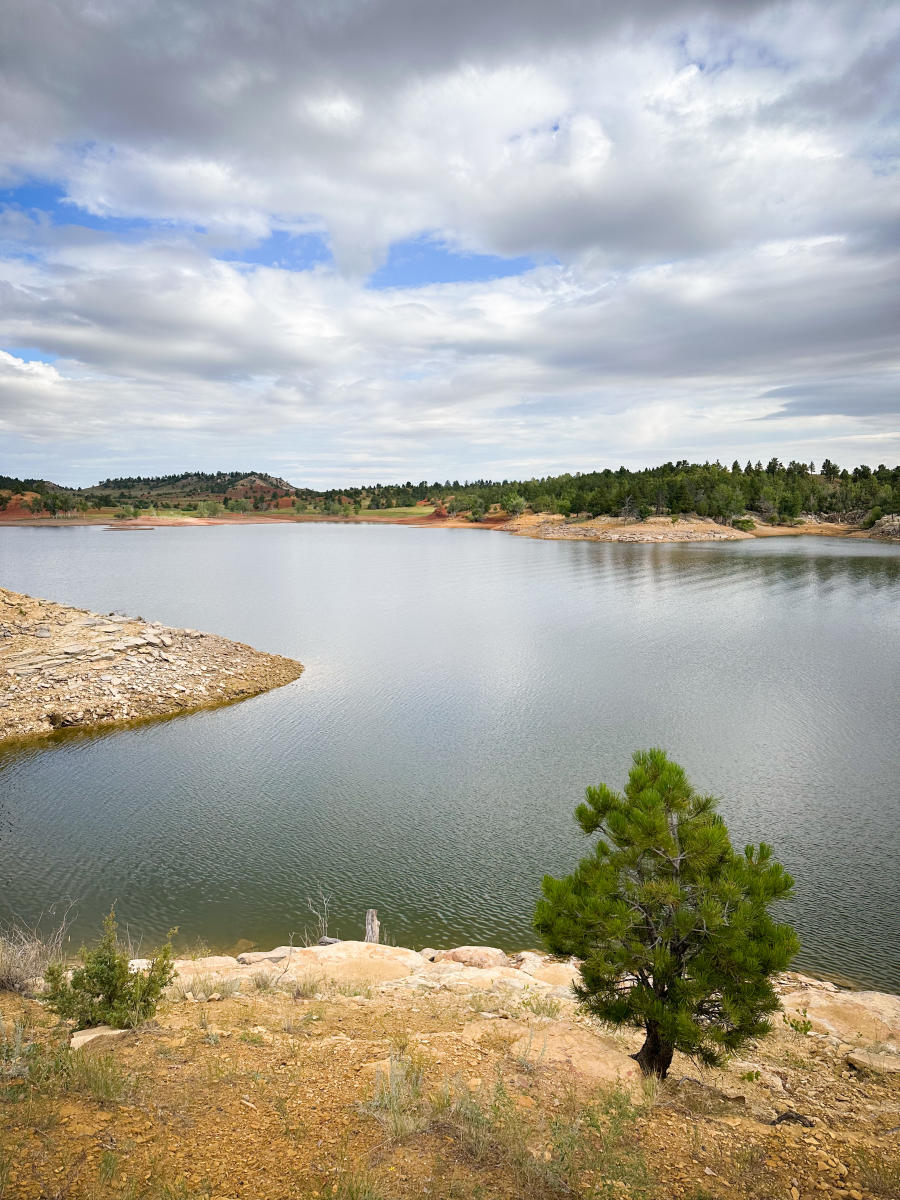
Near Glendo in eastern Wyoming, Glendo State Park surrounds Glendo Reservoir across a broad landscape that ranges from sandy beaches to forested terrain.
Does Glendo State Park have water?
Yes. Glendo Reservoir is the park's central water feature.
What is Glendo State Park known for?
Fishing, boating, camping, hiking and mountain biking. The park is also known for its varied landscapes and extensive recreation opportunities.
What can visitors do in winter at Glendo State Park?
Winter conditions at Glendo can vary and its comparatively open landscape can mean less persistent snow than higher-elevation parks. That makes the park worth considering for hiking, wildlife viewing and biking when trails are open and conditions are suitable. Anglers can also find winter fishing opportunities, but ice conditions should always be checked before heading onto or near the reservoir.
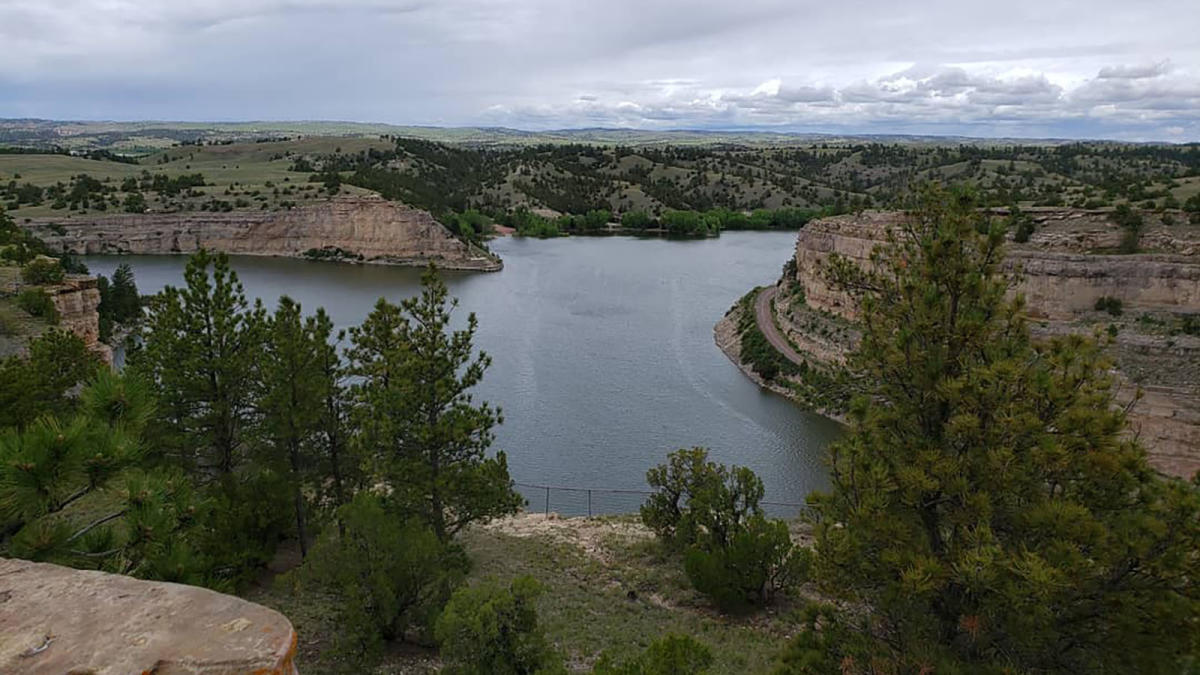
Guernsey State Park
Where is Guernsey State Park?
Near Guernsey and Fort Laramie in southeast Wyoming, Guernsey State Park surrounds Guernsey Reservoir and blends outdoor recreation with an unusually strong Civilian Conservation Corps (CCC) legacy.
Does Guernsey State Park have water?
Yes. Guernsey Reservoir is the park's main water feature.
What is Guernsey State Park known for?
History, hiking, boating, camping and the park's Civilian Conservation Corps-built structures and museum.
What can visitors do in winter at Guernsey State Park?
Guernsey is especially appealing in winter for travelers who want scenery and history in the same stop. Trails and the park's historic CCC structures offer ways to explore without relying on warm-weather water activities. The park has also hosted winter First Day Hikes, showing that the landscape remains an active setting in colder months. Visitors should check current trail, facility and road conditions before visiting.
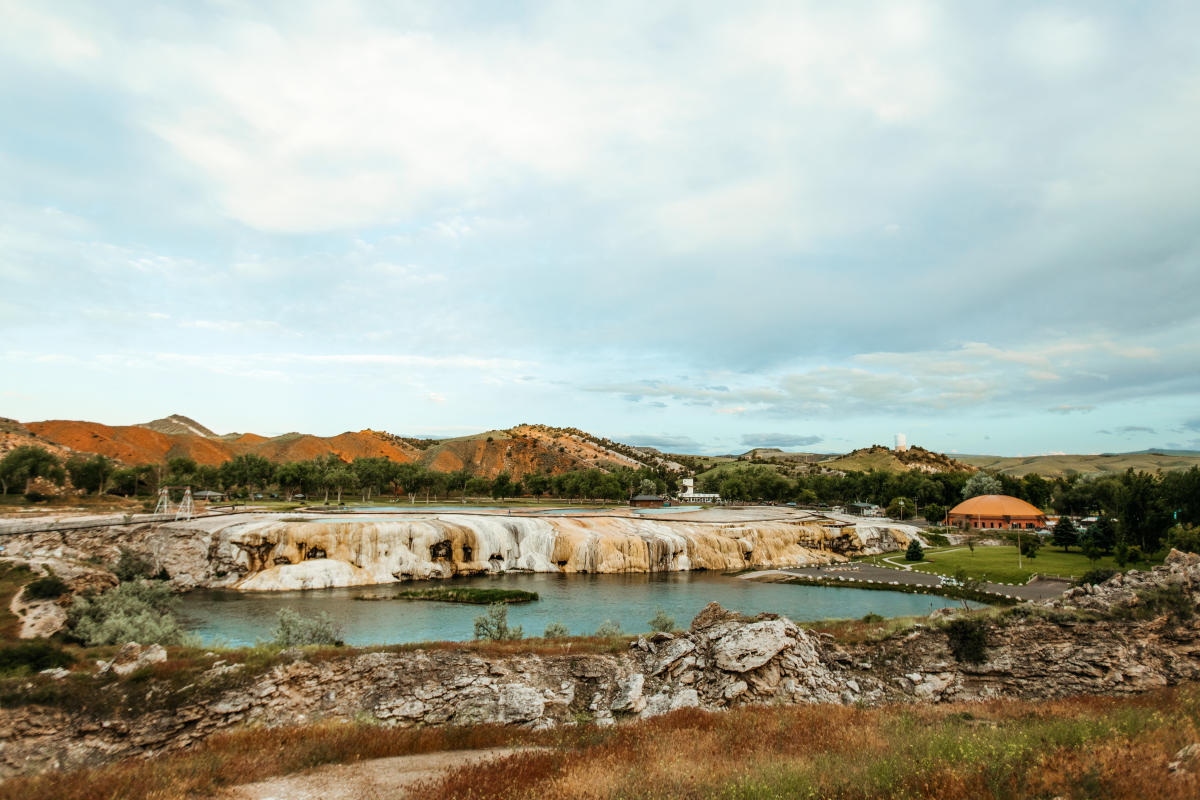
Where is Hot Springs State Park?
In Thermopolis in north-central Wyoming, Hot Springs State Park follows the Bighorn River and centers on mineral hot springs and colorful terraces.
Does Hot Springs State Park have water?
Yes. The Bighorn River runs through the park and mineral spring water creates the terraces that define the landscape.
What is Hot Springs State Park known for?
Geothermal features, the free Wyoming State Bath House, hiking and wildlife viewing, including the park's bison herd.
What can visitors do in winter at Hot Springs State Park?
Winter is one of the best times to experience Hot Springs State Park. Steam rising from the mineral terraces contrasts with snow and cold air and the Wyoming State Bath House offers free mineral-water soaking in water maintained at 104 degrees Fahrenheit. Visitors can also walk the park's paths and boardwalks and watch for bison. The park's thermal features are sensitive resources, so visitors should stay on designated routes.
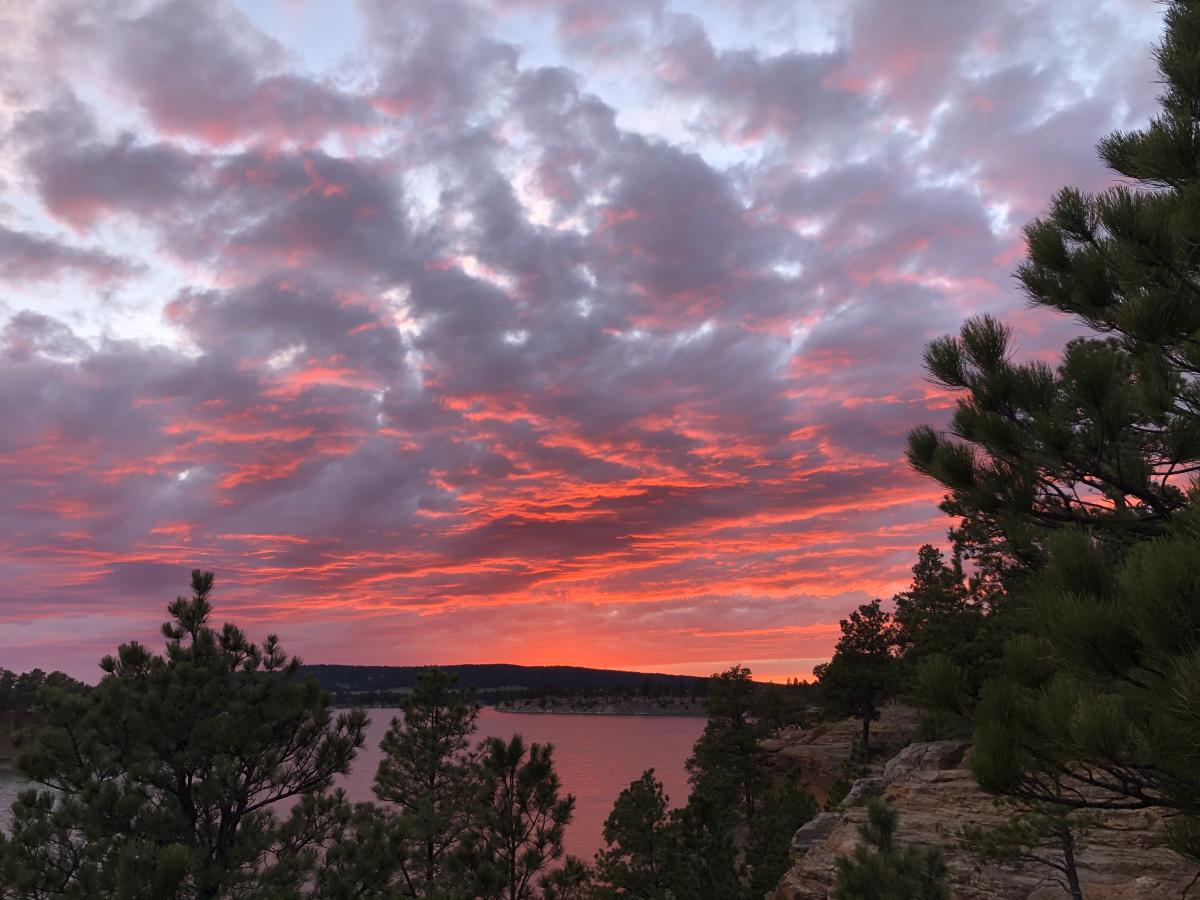
Keyhole State Park
Where is Keyhole State Park?
Near Moorcroft and Sundance in northeast Wyoming, Keyhole State Park surrounds Keyhole Reservoir along the western edge of the Black Hills.
Does Keyhole State Park have water?
Yes. Keyhole Reservoir is the park's defining feature.
What is Keyhole State Park known for?
Fishing, camping, hiking and unique overnight options, including a treehouse and other park lodging.
What can visitors do in winter at Keyhole State Park?
Keyhole is one of the strongest choices for a winter fishing trip. Ice fishing is a major cold-weather draw and the park also offers cabins and other lodging that can make an overnight winter stay easier. Snow conditions can change quickly in this part of the state, so anglers and other visitors should verify ice, weather and road conditions before traveling.
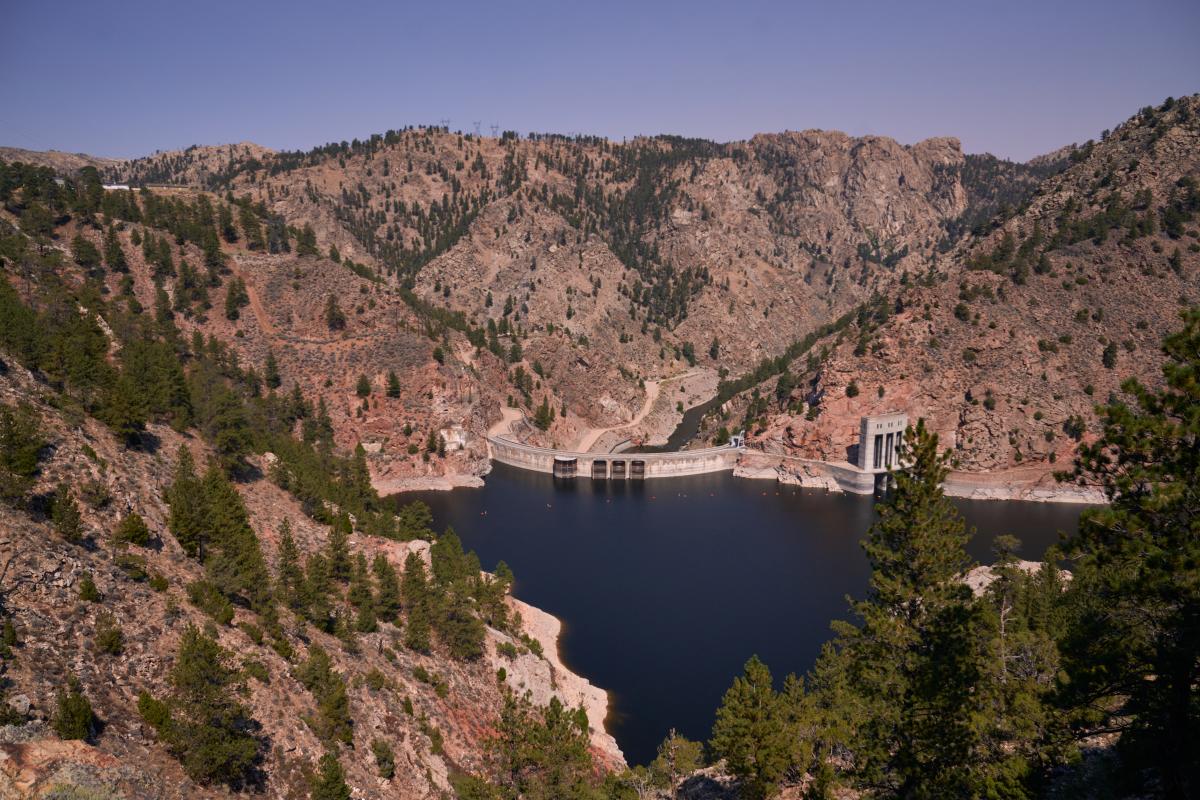
Seminoe State Park
Where is Seminoe State Park?
About 35 miles north of Sinclair in south-central Wyoming, Seminoe State Park sits at the north end of Seminoe Reservoir against the Seminoe Mountains.
Does Seminoe State Park have water?
Yes. Seminoe Reservoir dominates the landscape, with the North Platte River and the Miracle Mile nearby.
What is Seminoe State Park known for?
Fishing, boating, hiking, wildlife viewing and wide-open reservoir scenery. The nearby Miracle Mile is a major draw for anglers.
What can visitors do in winter at Seminoe State Park?
Seminoe is a good fit for travelers who want a remote-feeling winter landscape and a strong fishing connection. The reservoir supports trout and walleye fishing, while the surrounding area offers wildlife viewing and snowshoeing. Winter water recreation is dependent on conditions, so the focus should be on fishing where permitted, scenery and low-key outdoor exploration. Access can be more limited in winter, making current road and weather checks especially important.
Sinks Canyon State Park
Where is Sinks Canyon State Park?
Near Lander in central-western Wyoming, Sinks Canyon State Park follows the Popo Agie River as it disappears into limestone and reappears downstream.
Does Sinks Canyon State Park have water?
Yes. The Popo Agie River is one of the park's defining features.
What is Sinks Canyon State Park known for?
Rock climbing, hiking, camping, mountain biking and the geologic phenomenon known as the Sinks and Rise.
What can visitors do in winter at Sinks Canyon State Park?
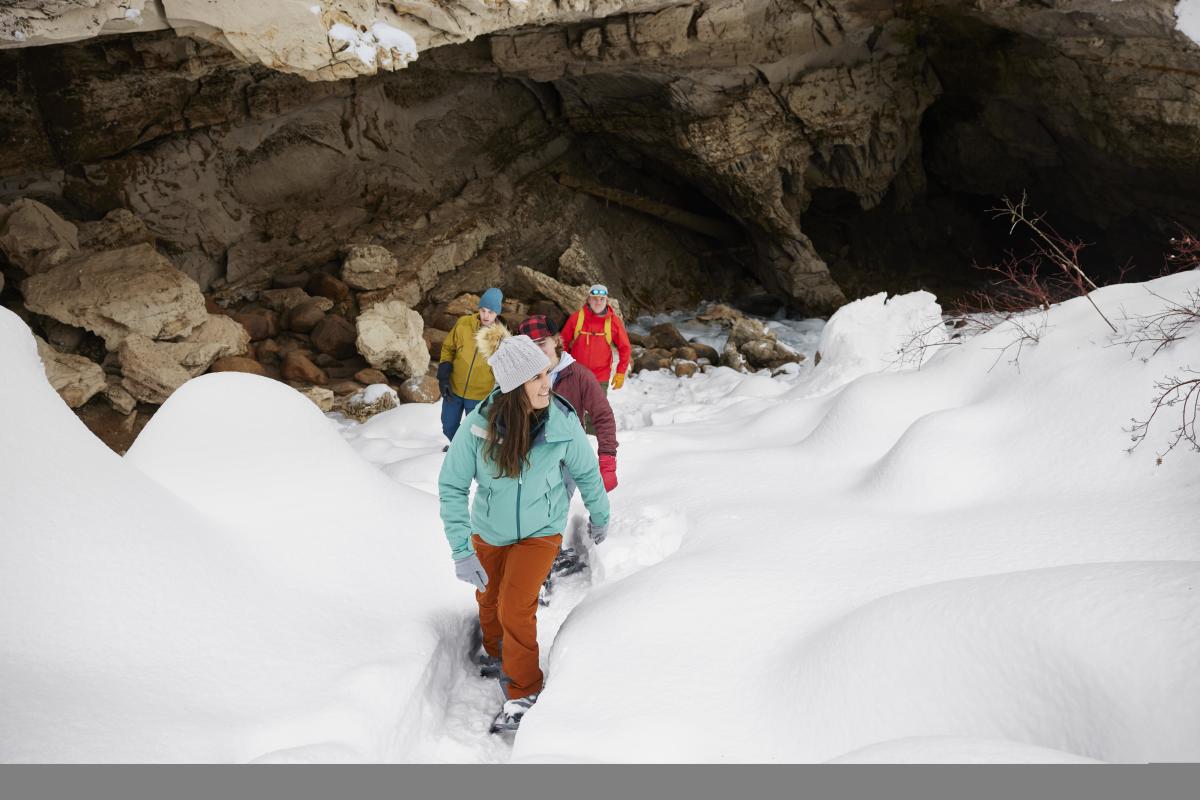
Winter brings a different look to Sinks Canyon. The Falls Trail can lead to frozen waterfalls and cascades, while snow and ice emphasize the canyon's rock walls and river corridor. During the winter, when water levels are low, the park has an underground cave system, Boulder Choke Cave, that you can explore. Along with winter exploration, Sinks Canyon has become known for its winter rock climbing conditions. One side of the canyon heats up to allow for year-round rock climbing adventures. Conditions vary with elevation and weather, so visitors should confirm trail and road access before heading out.
How Should Visitors Prepare for a Wyoming State Park in Winter?
Winter conditions can change quickly across Wyoming and a park that looks accessible on a map may have limited winter services or changing road and trail conditions. Before leaving, visitors should check the latest information from Wyoming State Parks and review current road conditions.
- Check the forecast and allow extra travel time for snow, wind or ice.
- Verify whether the specific road, trail, campground, cabin, yurt or other facility is open.
- Check ice conditions before ice fishing and follow current fishing regulations from the Wyoming Game and Fish Department.
- Bring layers, traction and enough food and water for changing conditions.
- Travel responsibly by staying on designated routes, respecting wildlife and leaving natural and cultural resources undisturbed.