
10 Prime Locations for Wildlife Spotting
1. Seedskadee National Wildlife Refuge, Green River
North of Green River, Seedskadee National Wildlife Refuge protects 36 miles of the Green River corridor in southwest Wyoming. That river habitat creates a valuable oasis for migratory birds and other wildlife, making Seedskadee a strong choice if you’re hoping to see trumpeter swans, bald eagles, moose and other species in one stop.
2. Bighorn Mountains, Buffalo
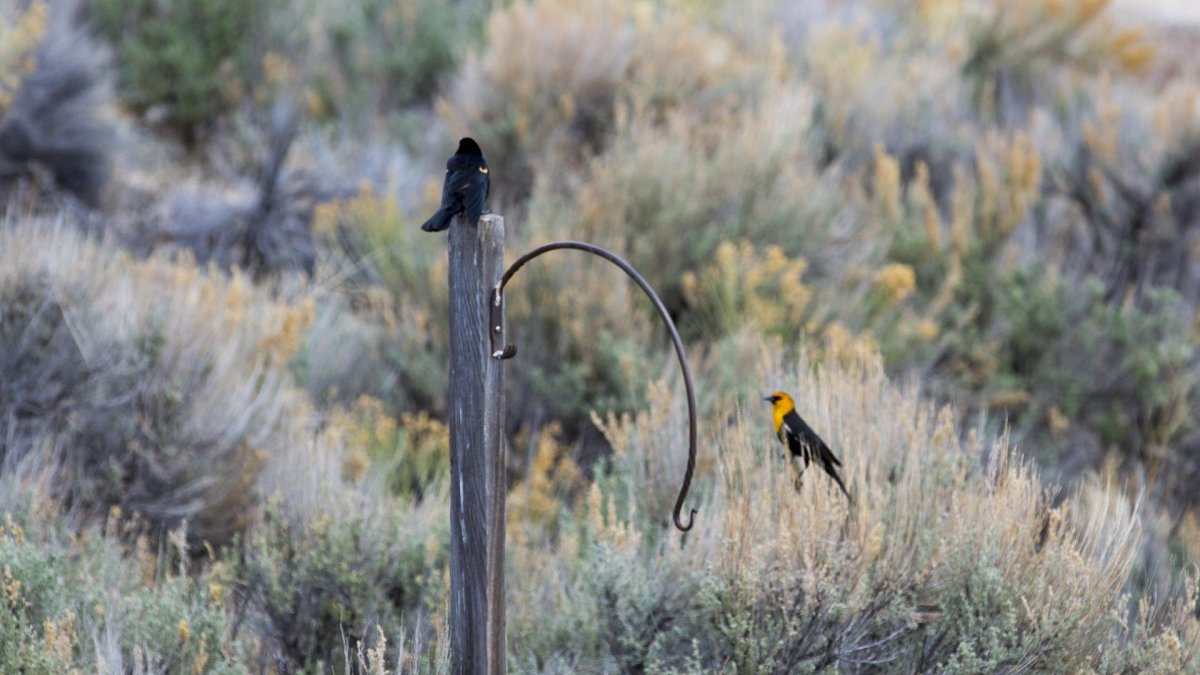
The Bighorn Mountains pair scenic drives with strong wildlife-watching potential. Cloud Peak Skyway and Bighorn Scenic Byway both pass through habitat where deer, elk and raptors are often seen, giving you an easy way to combine mountain views with roadside wildlife watching.
3. Medicine Bow National Forest, Saratoga
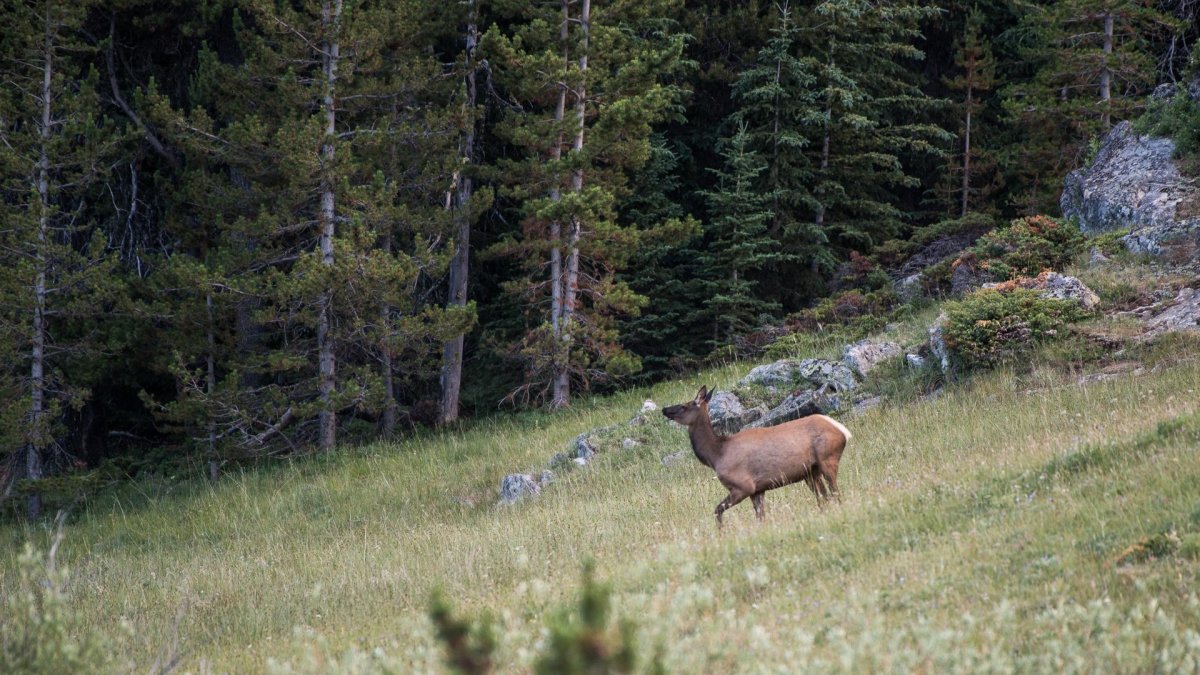
Medicine Bow National Forest is a great fit if you want to view wildlife along a classic Wyoming mountain drive. The Snowy Range area and Snowy Range Scenic Byway offer access to alpine lakes, forest habitat and recreation sites where wildlife viewing is part of the draw.
4. Pilot Butte Wild Horse Scenic Loop, Rock Springs
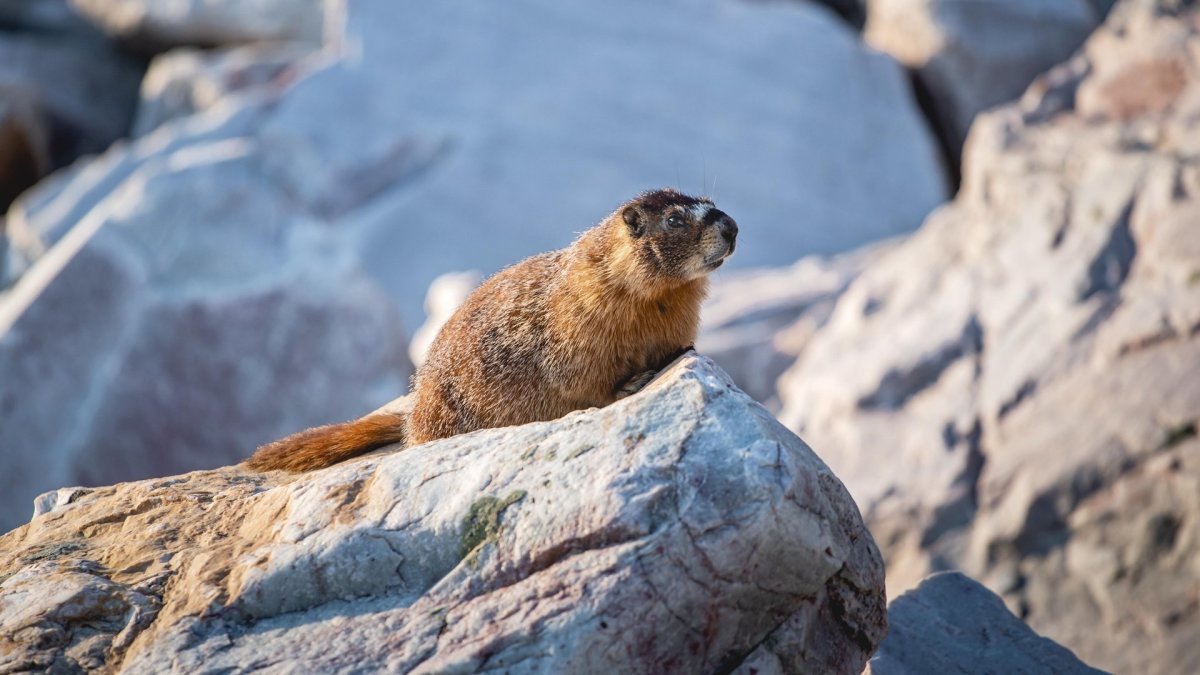
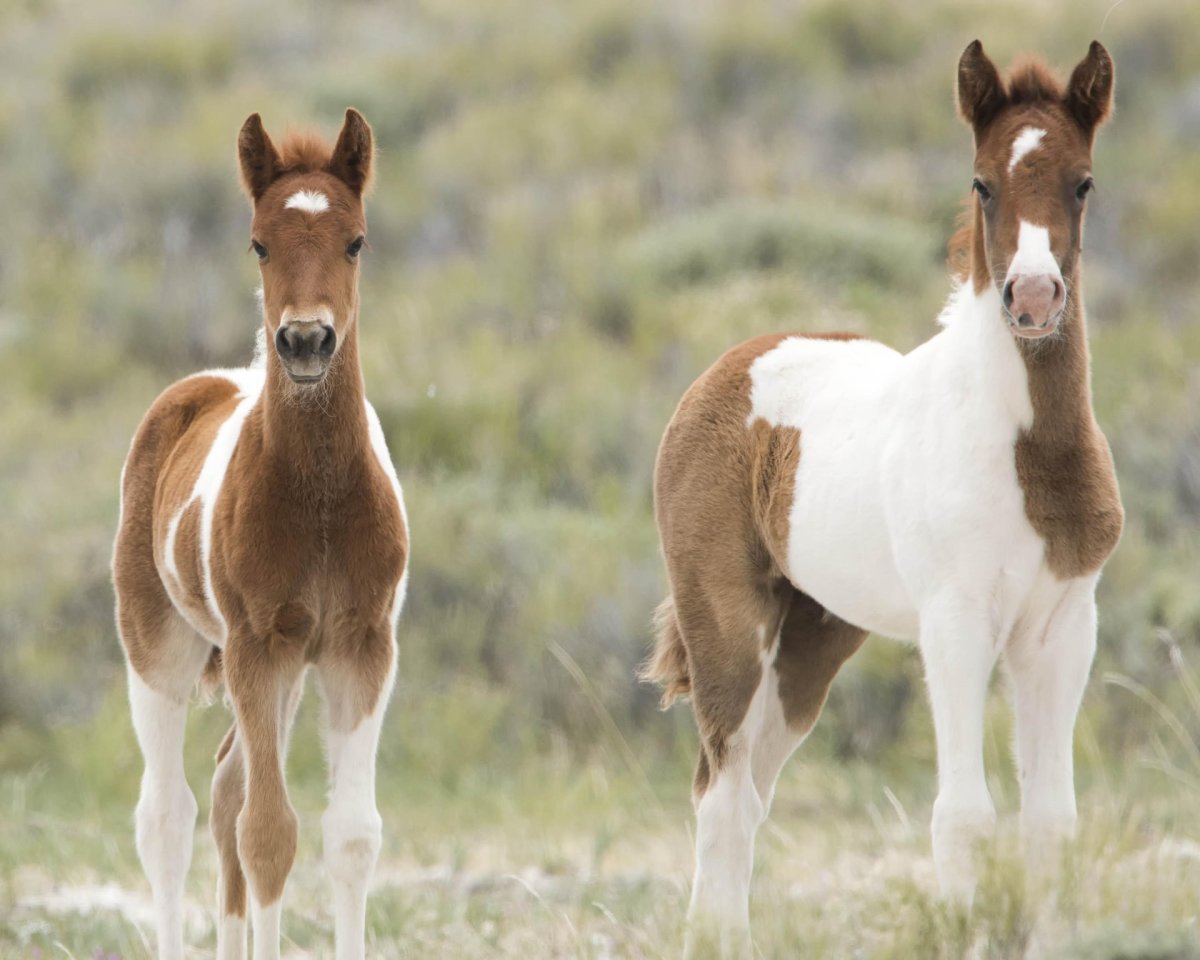
Connecting Green River and Rock Springs, the Pilot Butte Wild Horse Scenic Loop is one of Wyoming’s signature wildlife drives. It is a 24-mile self-guided route where you can spot wild horses along with pronghorn, elk, deer, rabbits, eagles and sage-grouse, especially in the early morning and late afternoon.

5. Casper Mountain, Casper
Just minutes from downtown Casper, Casper Mountain offers a wildlife stop that is easy to pair with time in town. The area is popular for mule deer, elk, pronghorn, foxes, badgers, bald eagles and a wide range of birdlife, making it a practical option if you want a shorter outing without giving up the chance for good sightings.
6. Bear Lodge Mountains, Sundance
In northeast Wyoming near Devils Tower, the Bear Lodge Mountains offer a quieter side of wildlife watching, with forested ridges, scenic trails and easy access near Sundance. The Sundance Trail System, managed by Black Hills National Forest, is home to elk, deer and turkey, giving you the chance to experience a more peaceful and less-traveled corner of Wyoming’s wild landscape.
7. Red Desert, Rock Springs
Near Rock Springs in southwest Wyoming, Red Desert is one of the state’s best examples of how wildlife thrives across wide-open landscapes. Known for pronghorn, desert elk, wild horses and smaller desert species, the region is also home to the longest land migration in the continental United States, as Wyoming’s pronghorn travel vast distances across the desert each year. If you’re drawn to sweeping scenery and the movement of big game across open country, this is one of the state’s most distinctive wildlife regions.
8. Wind River Mountains, Dubois
The Wind River Mountains are a strong choice if you’re seeking a more remote wildlife setting. Surrounding Bridger-Teton National Forest provides habitat for grizzly bears, wolves, moose, elk, deer, pronghorn and eagles, while nearby Dubois adds an interpretive stop at the National Bighorn Sheep Center.
9. Grand Teton National Park
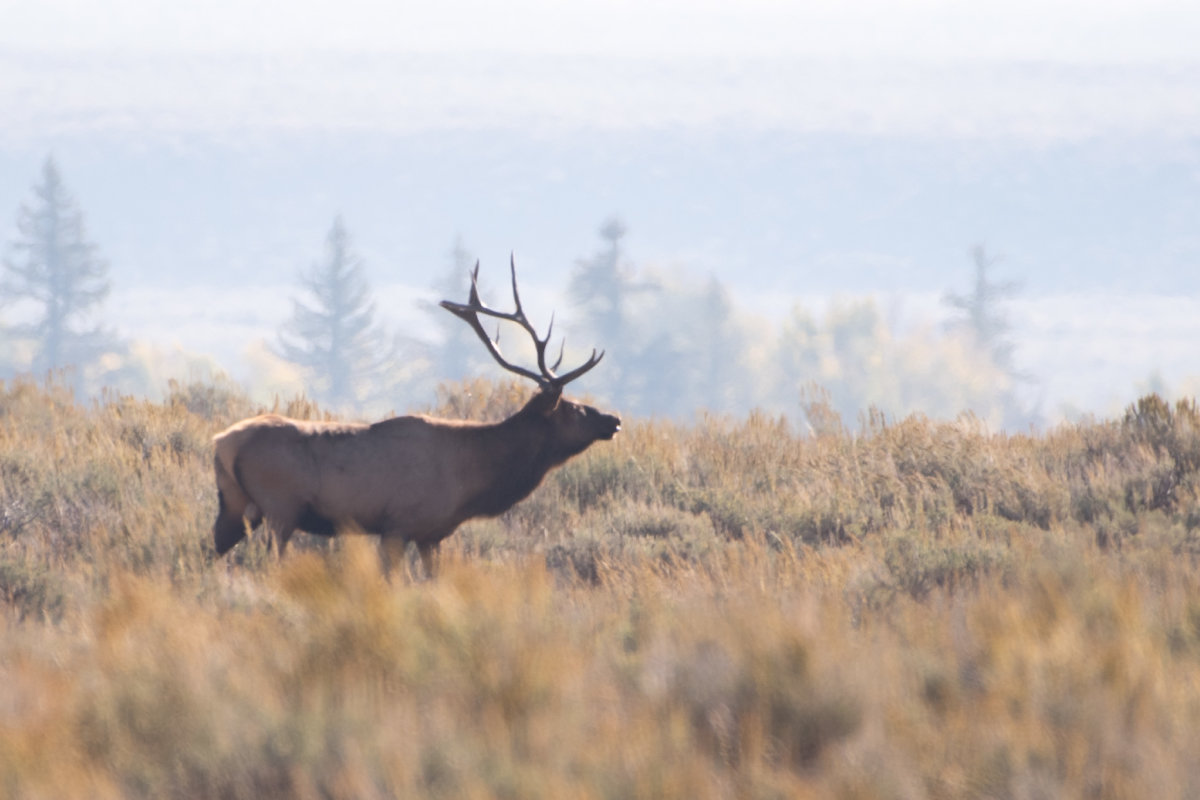
Grand Teton National Park is one of Wyoming’s premier wildlife destinations, with excellent opportunities to spot moose, beavers, river otters, bison, pronghorn and a wide variety of birds throughout the park. Popular wildlife-viewing areas include Oxbow Bend, Mormon Row and the Snake River corridor, especially during the quieter hours of early morning and evening. In winter, nearby National Elk Refuge becomes another major draw, with thousands of elk typically visible from mid-December through early April. For the best chance to see wildlife safely and learn more about the ecosystem, consider booking a guided tour with local operators like Jackson Hole Wildlife Safaris, Jackson Hole EcoTour Adventures or Teton Science School.
10. Yellowstone National Park
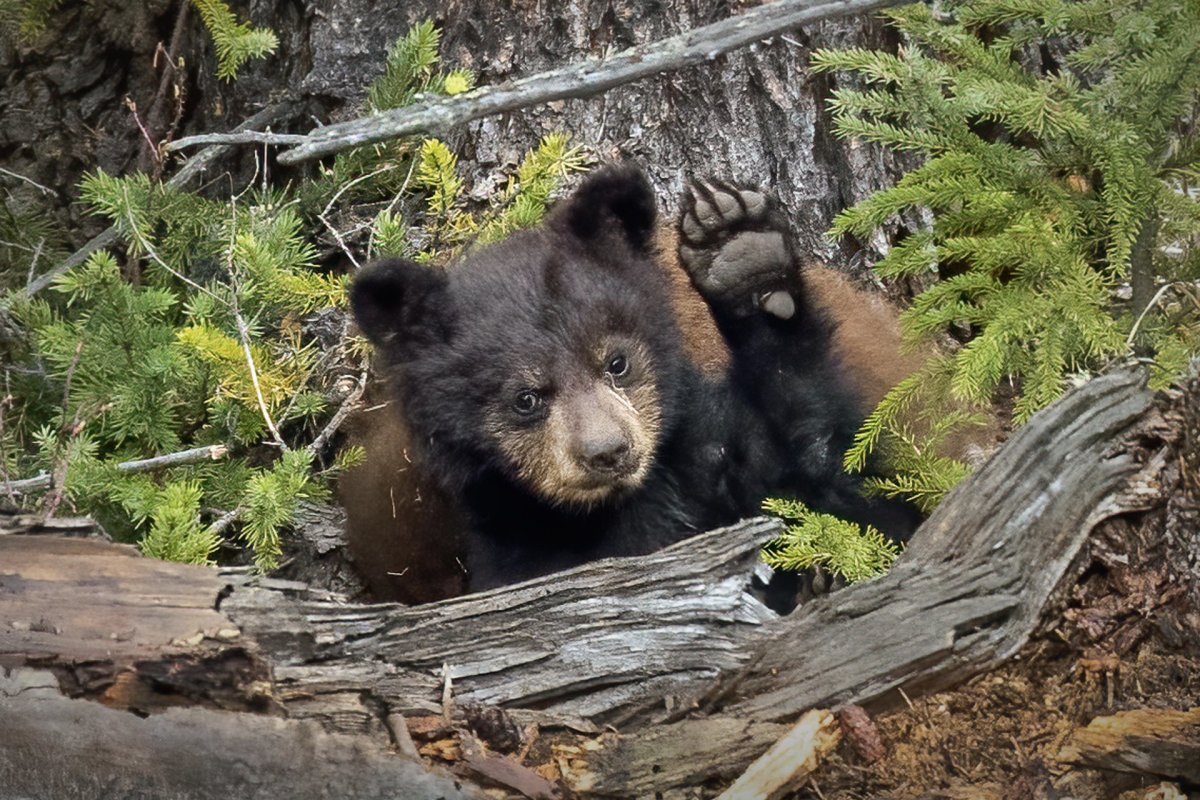
Yellowstone National Park remains one of the most iconic wildlife destinations in the country, with opportunities to spot bison, elk, bears, wolves and other native species across its vast landscape. Lamar Valley is especially well known for wildlife viewing, particularly during the early morning and evening hours when animals are most active. If you want to make the most of your time in the park, consider booking a guided wildlife tour with Cody-based operators like Cody Wyoming Adventures or Grub Steak Expeditions, which offer expert insight and help you safely experience the Greater Yellowstone ecosystem.
Tips for Watching Wildlife in Wyoming
Wildlife watching in Wyoming is about more than spotting animals. It’s about experiencing the landscape responsibly and giving wildlife the space it needs to remain wild. Whether you’re scanning sagebrush flats for pronghorn, watching elk move through mountain valleys or searching river corridors for moose and birds, a little preparation goes a long way.
Keep a Safe Distance
Always give animals plenty of room to move naturally and avoid changing their behavior. Stay at least:
-
100 yards from bears and wolves
-
25 yards from all other wildlife
If an animal changes direction, stops feeding or reacts to your presence, you’re too close.
Use the Right Gear
Bring binoculars or a spotting scope so you can enjoy close-up views without approaching wildlife. A camera with a zoom lens also helps you capture photos safely and responsibly.
Stay Wildlife Smart on the Road
Many Wyoming wildlife sightings happen along scenic highways and park roads. Use designated pullouts or viewing areas whenever possible, stay alert for animals crossing the road and never stop in traffic for a photo opportunity.
Respect Wildlife Habitat
Travel Wyoming’s WY Responsibly initiative encourages visitors to stay on designated trails, avoid disturbing habitat and never feed wildlife. Feeding animals can harm their health and create unsafe interactions for both wildlife and people.
Time Your Wildlife Viewing
Early morning and evening are often the best times to see wildlife, when temperatures are cooler and animals tend to be more active. Slowing down, staying quiet and spending extra time in one area can often lead to the best sightings.
Consider Booking a Guided Tour
Local wildlife guides can help you safely spot animals while sharing insight about migration patterns, habitat and Wyoming ecosystems. Guided tours are especially helpful in places like Yellowstone and Grand Teton national parks, where wildlife activity changes throughout the seasons.
Most importantly, be patient. Wyoming’s wildlife experiences are often less about rushing from place to place and more about letting the landscape reveal itself over time.